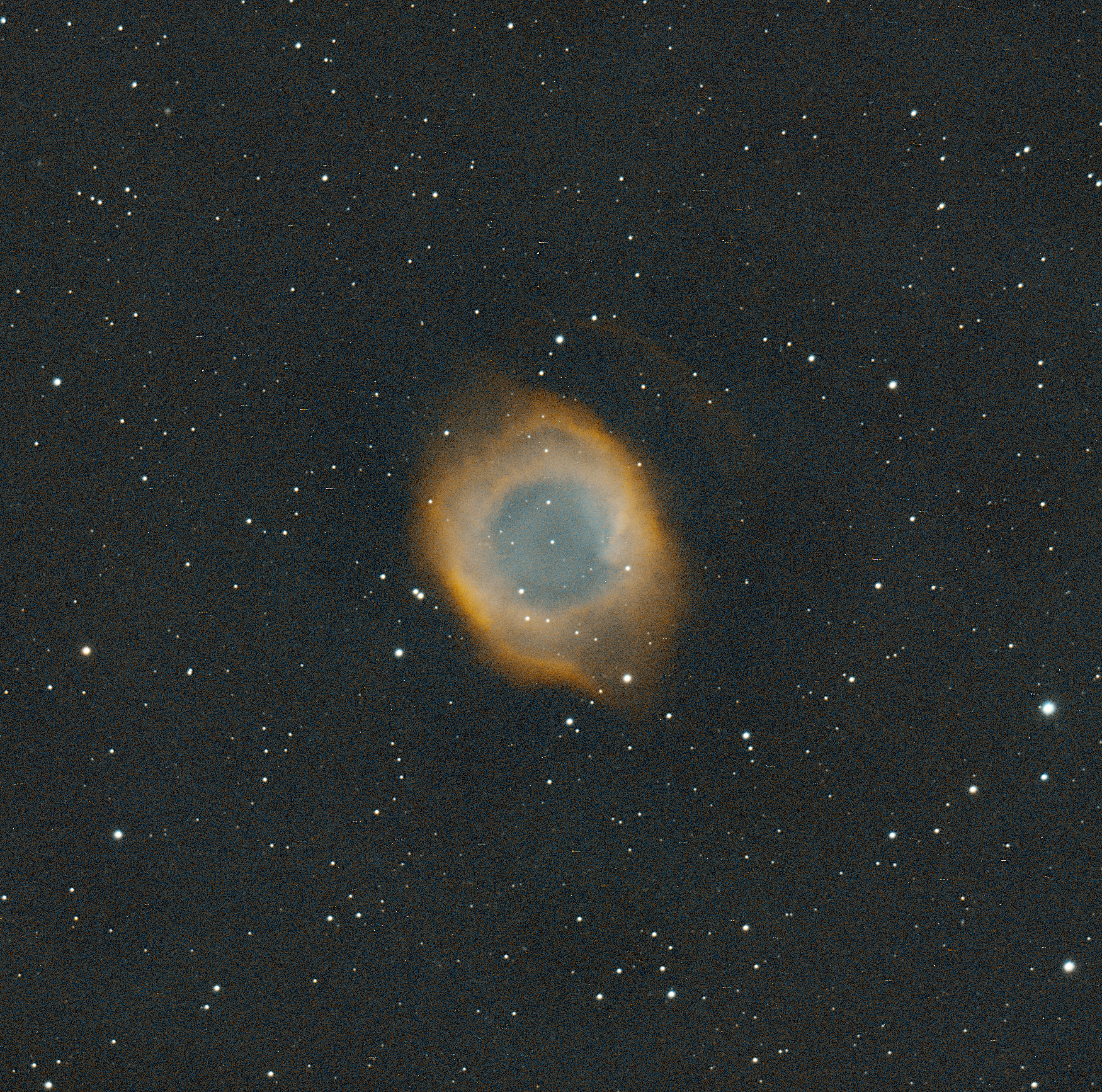
Helix Nebula imaged with a modified Sky-Watcher Equinox 100ED, ZWO duo nebula filter, and an ASI 533 astronomy camera at 608 mm focal length using a 0.67x DIY focal reducer, guided with a 50 mm guide scope and an ASI 174MM guide camera.
Helix Nebula imaged with 100 mm aperture at f/6, with DIY 0.67x focal reducer, 2 hours exposure
For a complete list of astrophoto images, click here.
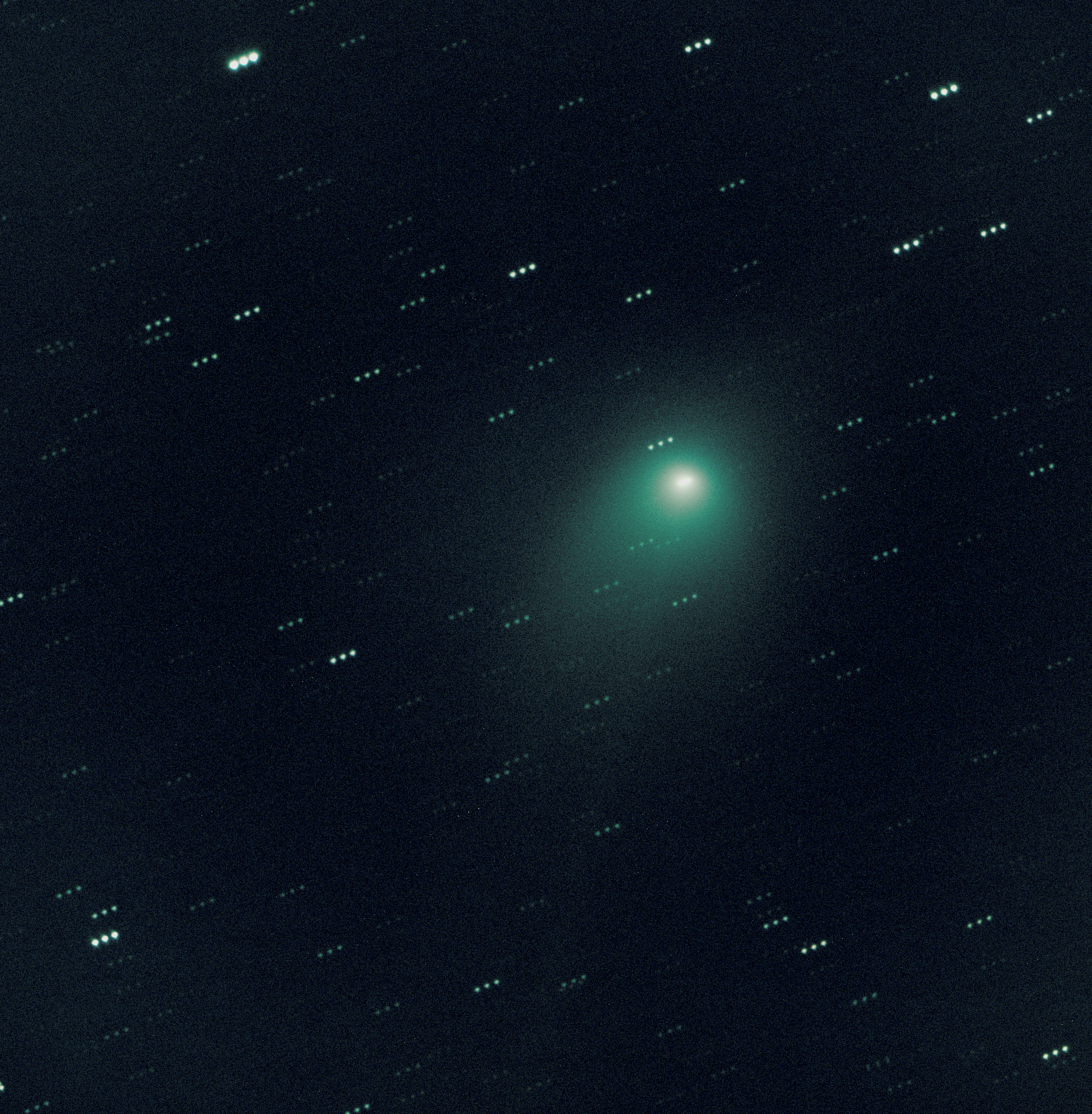
C/2022 E3 (ZTF) imaged in January 24, 2023 from Bacoor, Cavite, using a Sky-Watcher 100ED with a DIY focal reducer, ASI 533MC cooled astronomy camera, a UV-IR filter, and a motorized Vixen Grand Polaris mount. I have observed this comet to be at about the same surface brightness and apparent angular size with the M51 galaxy. It is barely detectable visually using a 10 by 50 binoculars or 8 by 50 finder scope.
C/2022 E3 (ZTF), stack of 3 images at 180 sec each
Totally-eclipsed moon imaged with a 114 mm f/7.8 reflector and an ASI 533MC astronomy camera on 08 November 2022 in Bacoor City, Philippines. The bright object near the moon is the planet Uranus during its conjunction with the moon coinciding with the total lunar eclipse. The moon and Uranus appear close together in this photo due to a chance alignment of Uranus, the moon, and the Earth. Uranus is much farther behind the moon, by a distance of about 2.7 billion kilometers.
Totally-eclipsed moon with Uranus imaged with a 114 mm f/7.8 reflector and an ASI 533MC astronomy camera on 08 November 2022 in Bacoor City, Philippines. To watch our guided lunar eclipse observation (livestream), click here.
For a complete list of astrophoto images, click here.
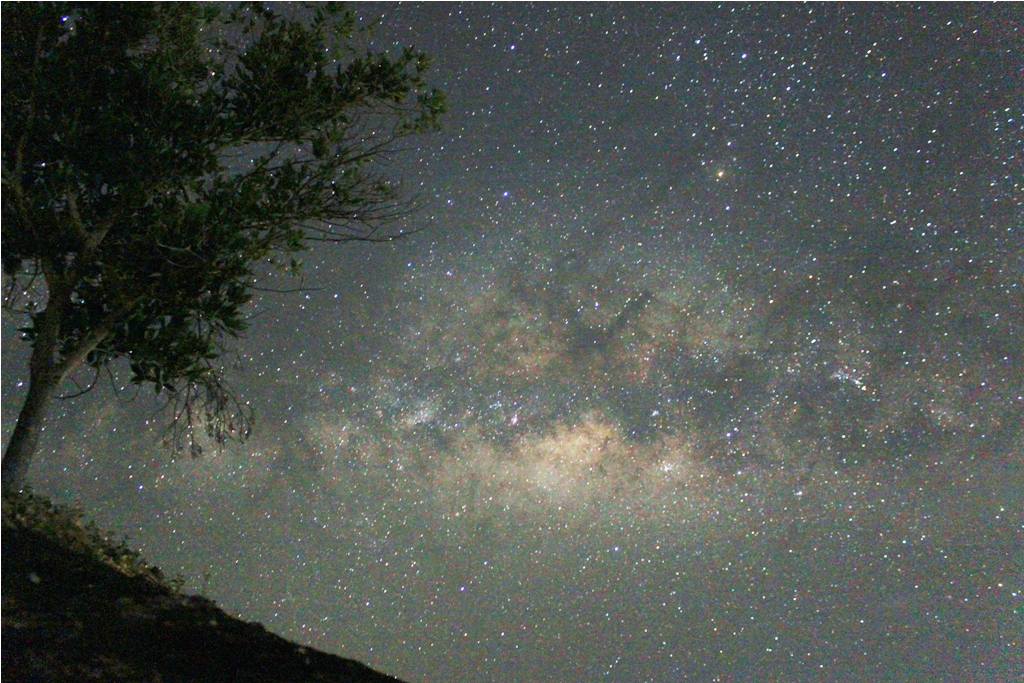
In the Philippines, the Milky Way is most prominent in the sky during months of March to May each year, visible to the unaided eye in the southeastern horizon at around 1 to 3 am.
Milky Way in Coron
Any DSLR camera or smartphone with good camera may be used to photograph the Milky Way. To capture the Milky Way:
Set the lens’ focal length to wide-field (18 mm). Milky way is a large target.
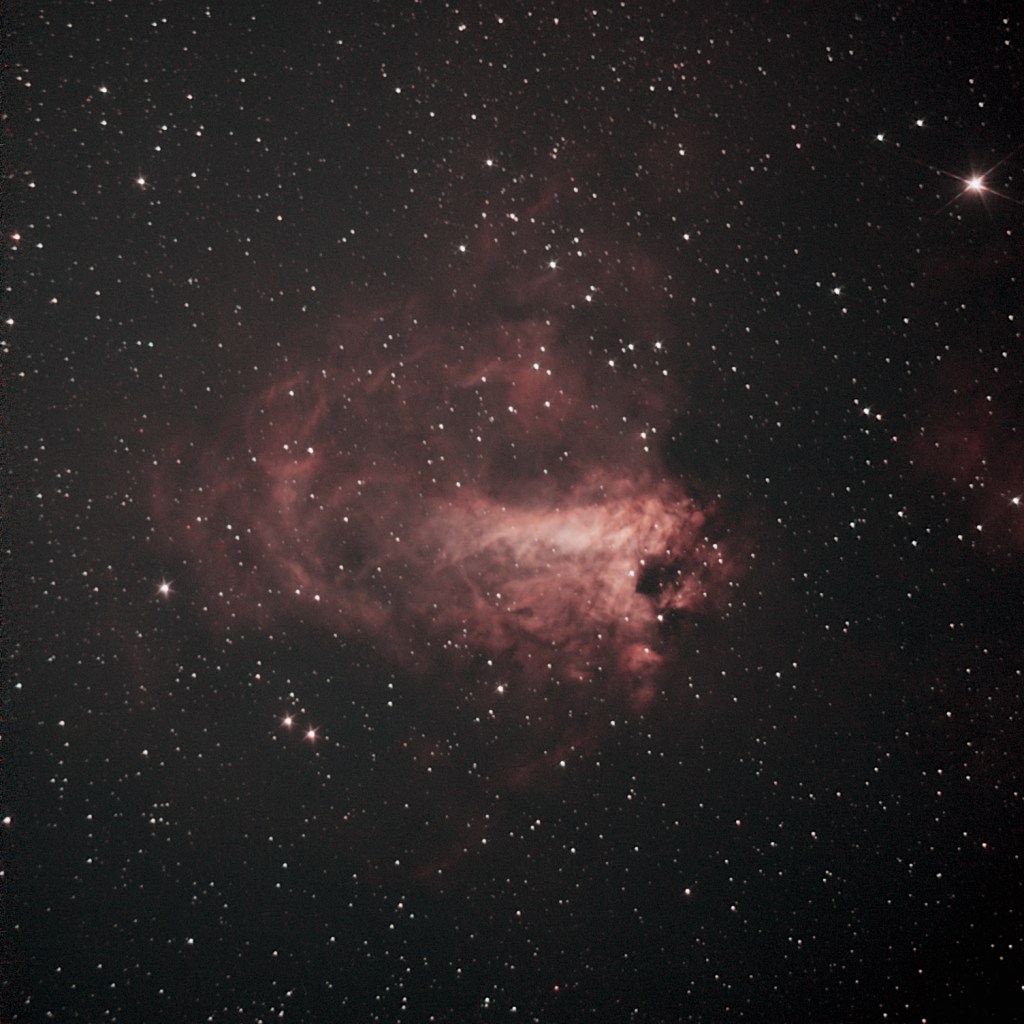
Omega Nebula M17 imaged with a Vixen R114 reflector, an ASI 533MC cooled astronomy camera, dual band H-alpha and O-III filter, with an ASI 174MM guide camera on a 60 mm guide scope. This is one of the brightest deep-sky objects in the Milky Way region, in the part of the sky where you can also find the Eagle Nebula. M17 is visible even with binoculars or small telescopes. You may use the bright stars of Sagittarius to find this target.
Omega Nebula M17, 40 min exposure
For a complete list of astrophoto images, click here.
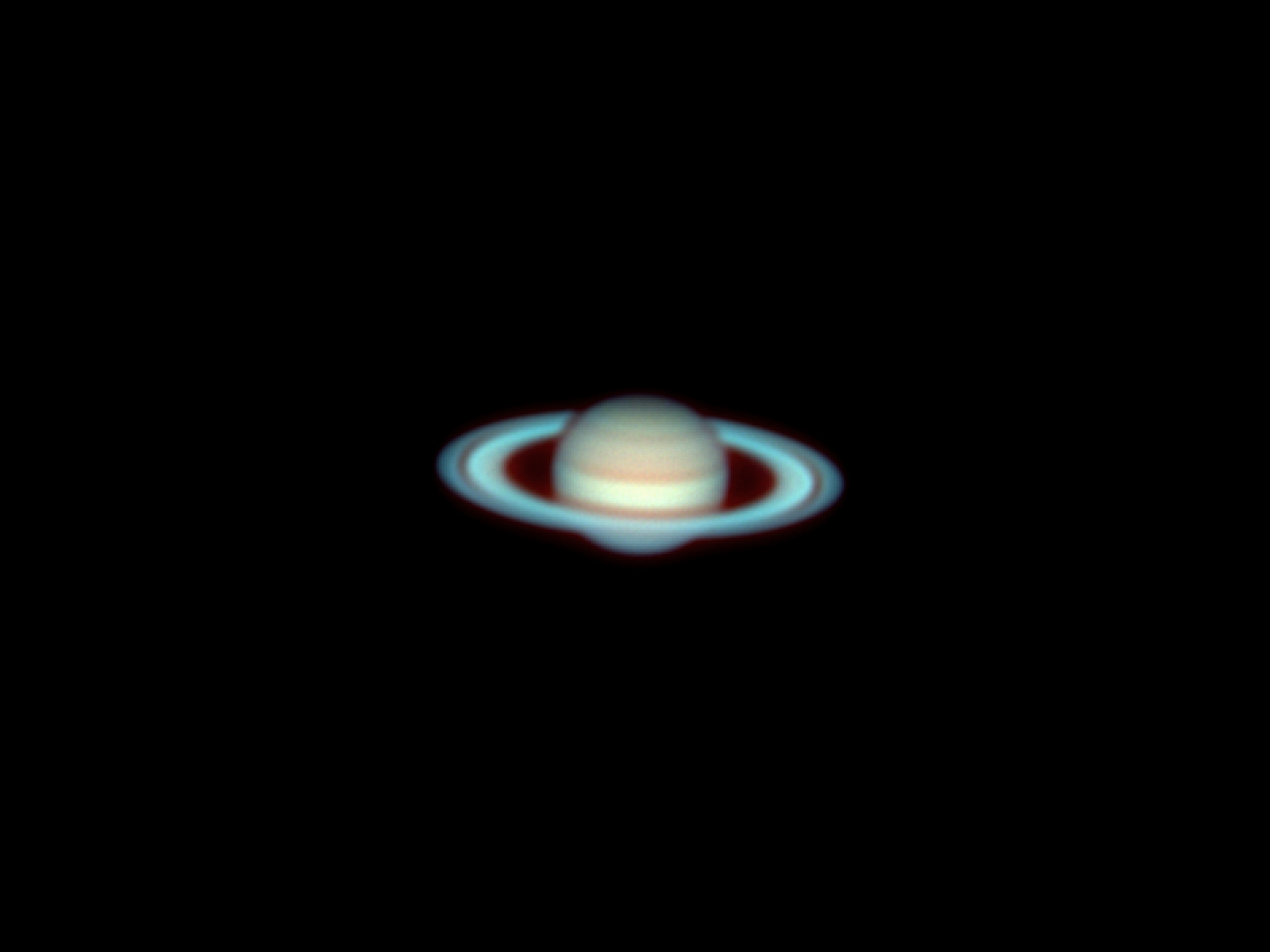
In this Saturn photo, I used a Sky-Watcher Equinox 100ED refractor and a 25 mm eyepiece to project an image onto the sensor of ASI 533 astronomy camera. The magnification of the image depends on the focal length of the telescope, the focal length of the eyepiece, and separation between the eyepiece and the camera’s sensor. While longer telescopes, higher-power eyepieces, and wider separation between the eyepiece and the camera will produce more magnified images, the amount of detail that can be resolved will still depend on the aperture or the diameter of the telescope’s objective mirror or lens.
Saturn imaged through eyepiece projection during the August 2021 opposition
For a complete list of astrophoto images, click here.
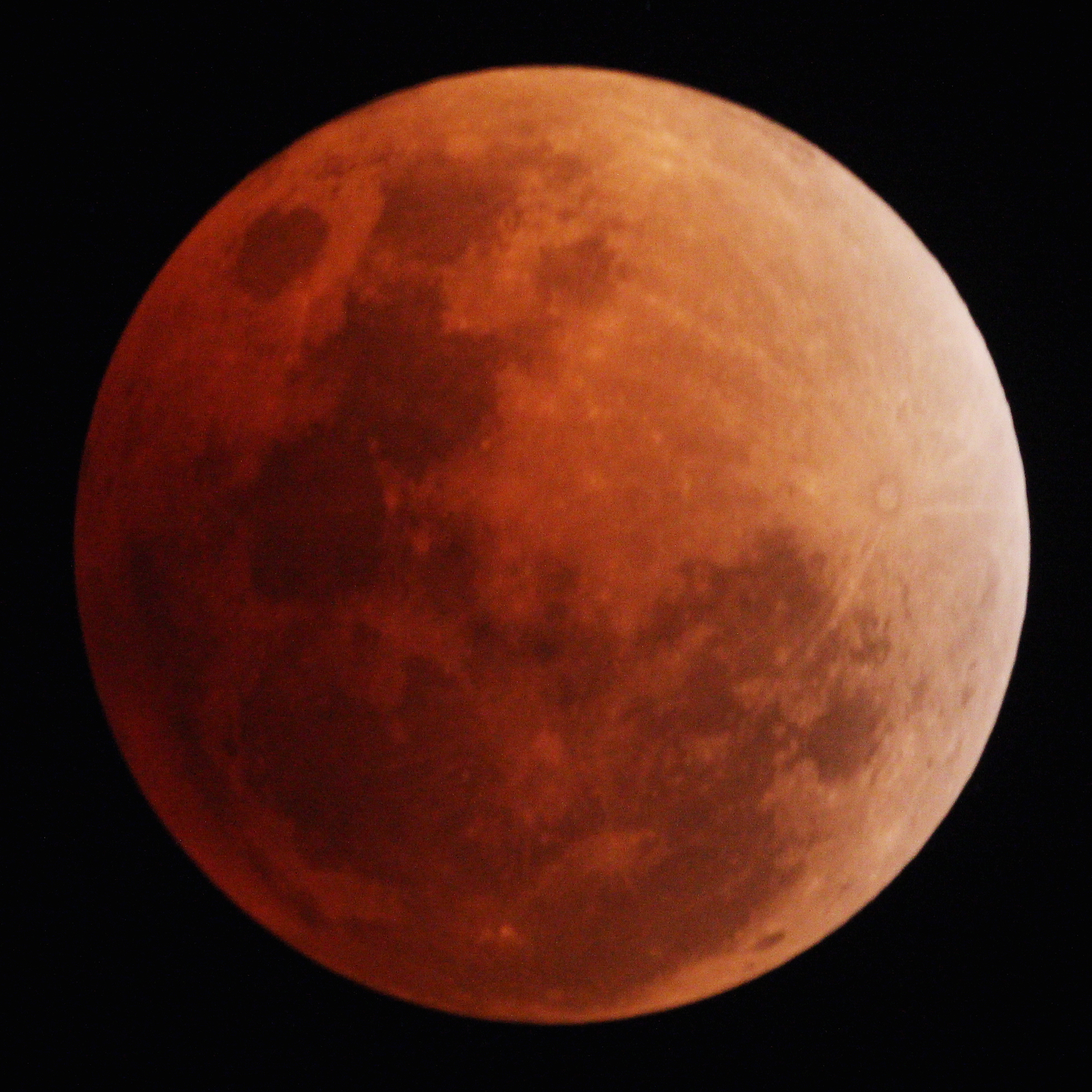
Total Lunar Eclipse imaged with a 4-inch f/9 refractor and a DSLR camera on May 26, 2021 in Bacoor City, Philippines. To watch our guided lunar eclipse observation (livestream), click here.
For a complete list of astrophoto images, click here.
Among all the planets, Venus is the brightest. It is usually seen an hour before sunrise, or an hour after sunset. The phases of Venus may be observed and photographed with a small telescope. This image of the crescent Venus was taken with a Canon 1100D and a 4 inch f/9 refractor.
For a complete list of astrophoto images, click here.
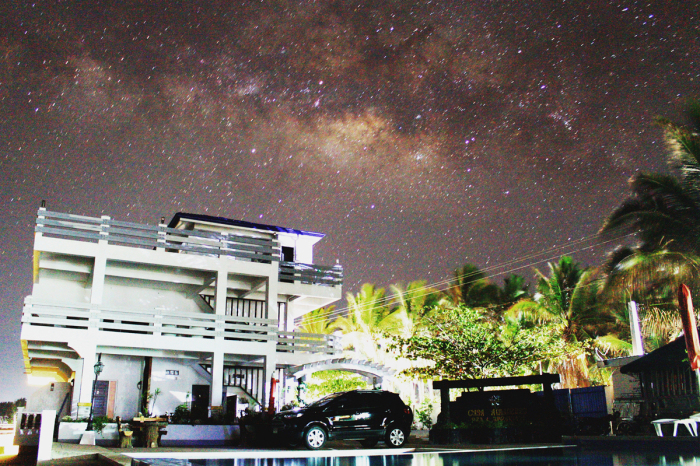
We went on a road trip to Bolinao, Pangasinan. At daytime, we explored the beaches and tourist spots and at night, we stargazed and imaged the Milky Way! With a sky that is relatively dark, I was able to take a photo of the Milky Way with the resort as foreground.
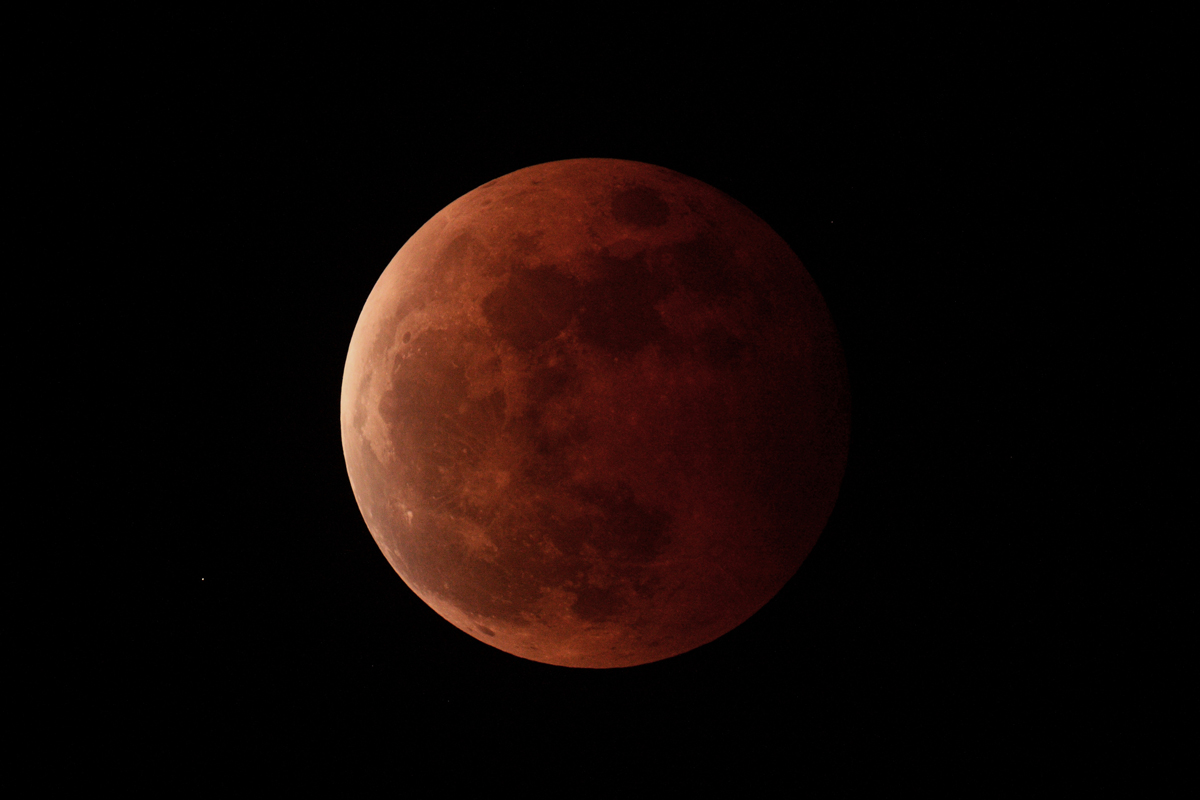
Total Lunar Eclipse taken with a Sky-Watcher Equinox 100ED and a DSLR camera on January 31, 2018 at the PAGASA Observatory in UP Diliman, Quezon City, Philippines
Total Lunar Eclipse on January 31, 2018
For a complete list of astrophoto images, click here.
This image of Mars was taken during one of its closest approaches to Earth, revealing the dark and light patches on its surface, along with white clouds in its atmosphere. I used an SPC900NC web camera to capture this image.
Mars imaged with a telescope and a web camera
For a complete list of astrophoto images, click here.
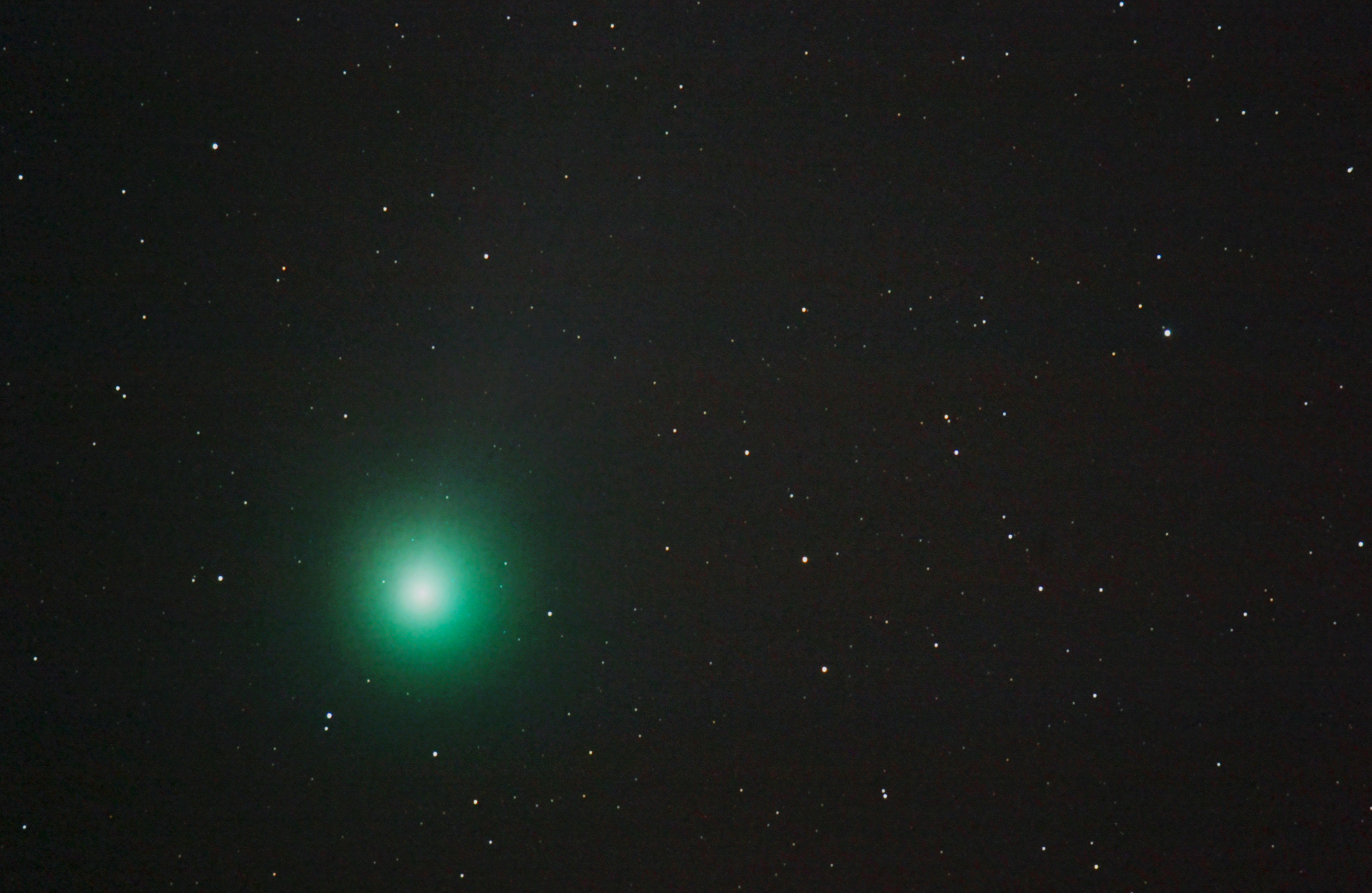
Comet Lovejoy C2014 Q2 taken with a Sky-Watcher Equinox 100ED and a tracking mount. The comet’s green coma and hint of its tail, are visible in this photo. Comets are difficult to image because they move relative to the stars, producing a trail. Processing software corrects for this drift and stacks the image of the comet without producing a trail.
Comet Lovejoy C2014 Q2
For a complete list of astrophoto images, click here.
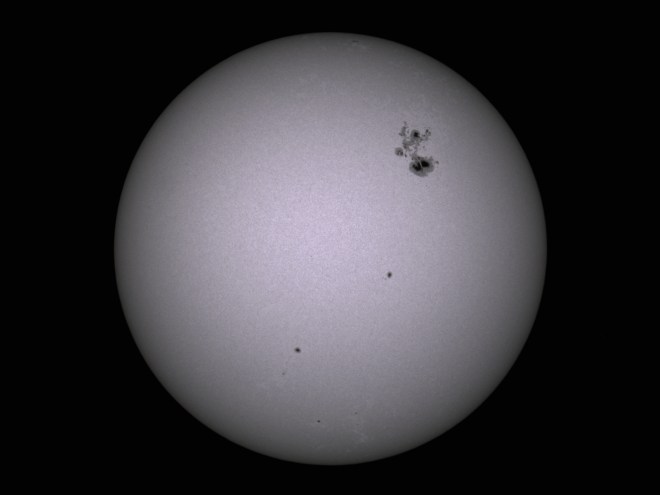
This is an image of the Sun showing the sunspot AR 12192, the largest sunspot of the solar cycle 2010 to 2020. This image was taken at solar maximum when the sun is most active during a cycle. It was imaged in October 2014 in Quezon City using a Sky-Watcher Equinox 100ED and a Baader ND 5 solar filter. Never observe or image the Sun without the proper solar filters.
Sunspot AR12192 imaged with a Sky-Watcher Equinox 100ED
For a complete list of astrophoto images, click here.
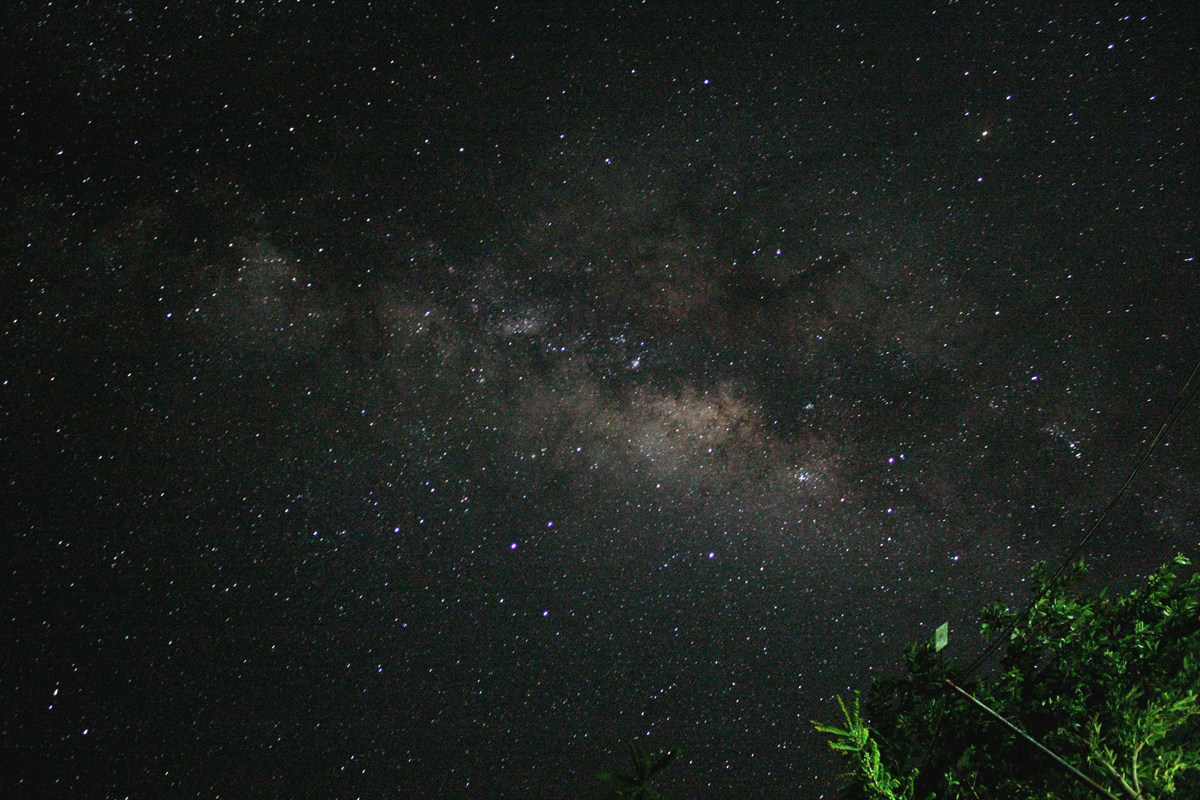
Milky Way galaxy imaged with a Canon 450D DSLR camera, 18-55 mm lens set at 18 mm, f/3.5, 30 sec exposure, ISO 1600, August 23, 2014, Camarines Norte, Philippines.
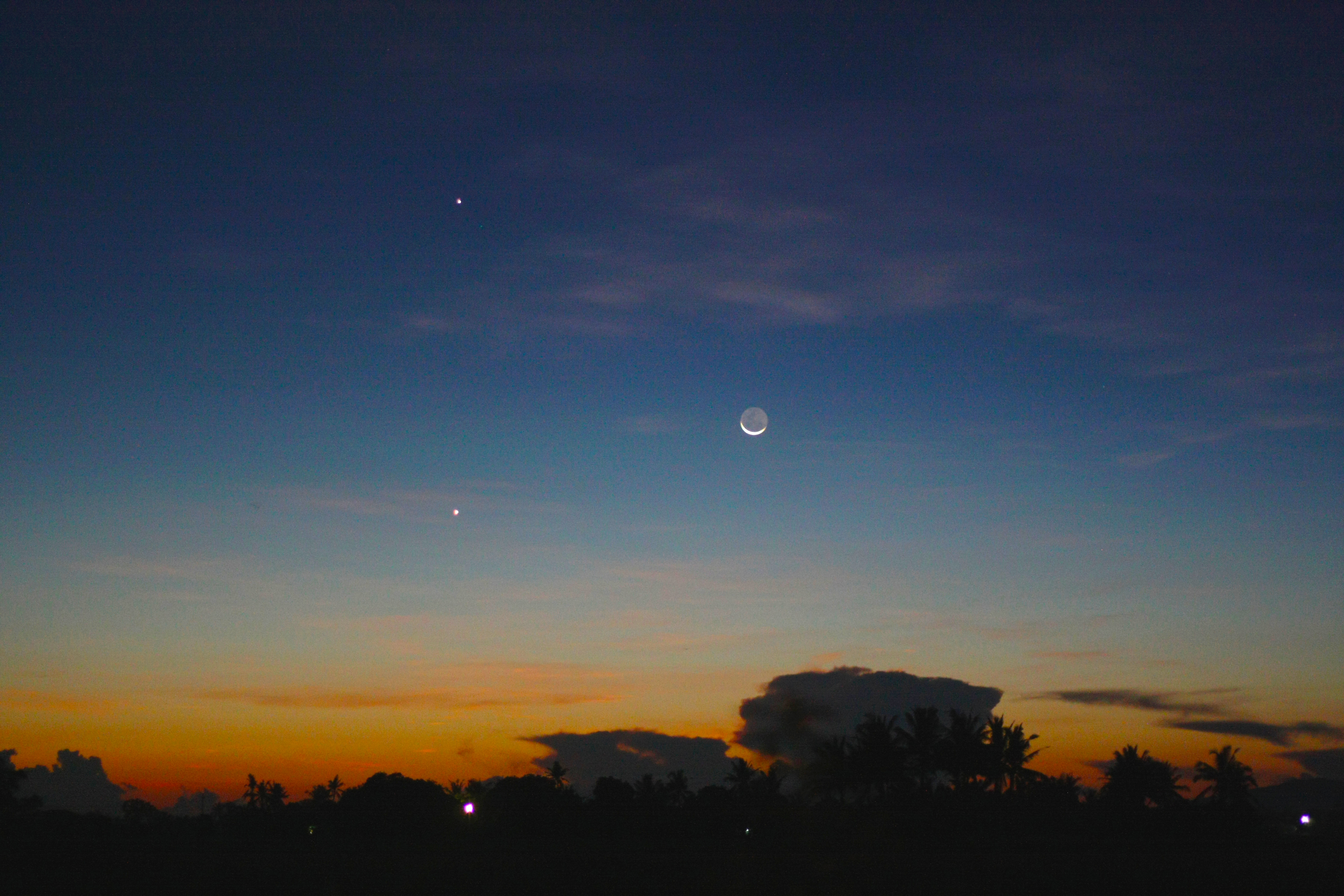
Jupiter (top left), Venus (lower left), and the moon form a celestial triangle on August 24, 2014 at 5 am local time, imaged with a Canon 450D and a 50 mm f/1.8 lens on a tripod
Imaged with a Canon 450D and a 50 mm f/1.8 lens on a tripod
For a complete list of astrophoto images, click here.
The moon is also known to eclipse planets, and one such event involving Jupiter happened in August 2012. This event is called the lunar occultation of Jupiter, and is a relatively rare astronomical event. The event was visible throughout the country. I was able to observe and photograph it from Quezon City, Philippines, using a Sky-Watcher Equinox 100ED and a DSLR camera.
Lunar Occultation of Jupiter, August 2012
For a complete list of astrophoto images, click here.