DIY Battery Grip for Pentax KP

I have fitted my Pentax KP with a Neewer BG-E8 battery grip (intended for Canon cameras). While I also have the dedicated Pentax D-BG7 grip, I have made this modification to explore alternative battery options for the Pentax KP. In this modification, some filing is needed to flatten out the curved surfaces to flush the camera nicely to the grip. A new hole was then drilled in the grip since the tripod shoe locking screw was not aligned. A dummy battery was then used to connect the power to the camera. The grip’s buttons are non-functional since I have yet to figure out and map the proper connections!

I have tested my Pentax KP to work with various power supplies ranging from 7.2V to 8.4V. For instance, it was tested to work with 6 NiMH AA batteries in series at 1.2V each, it works with a Fujifilm 7.2V NPW126S batteries, it works with Canon CA PS700 7.4V power adapter, and even works with two 3.6V to 4.2V 18650 cells in series.
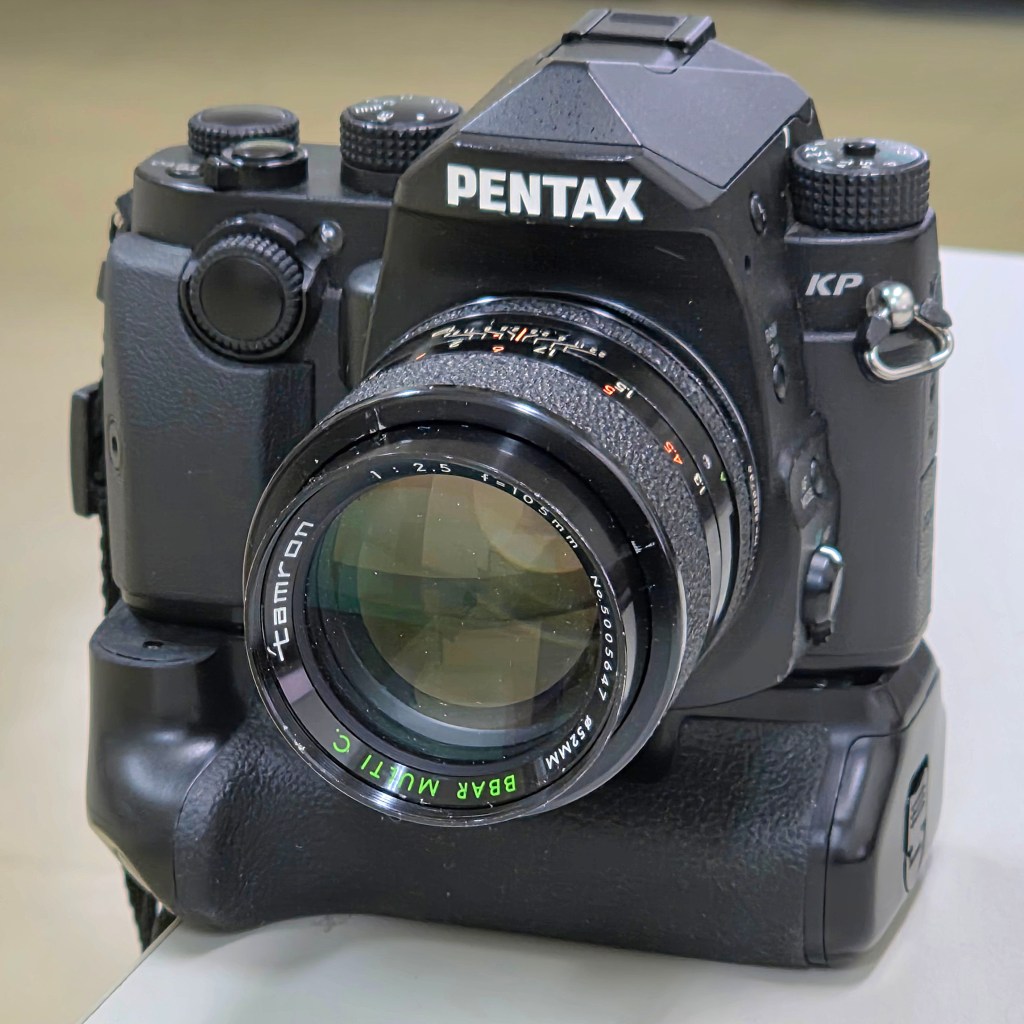
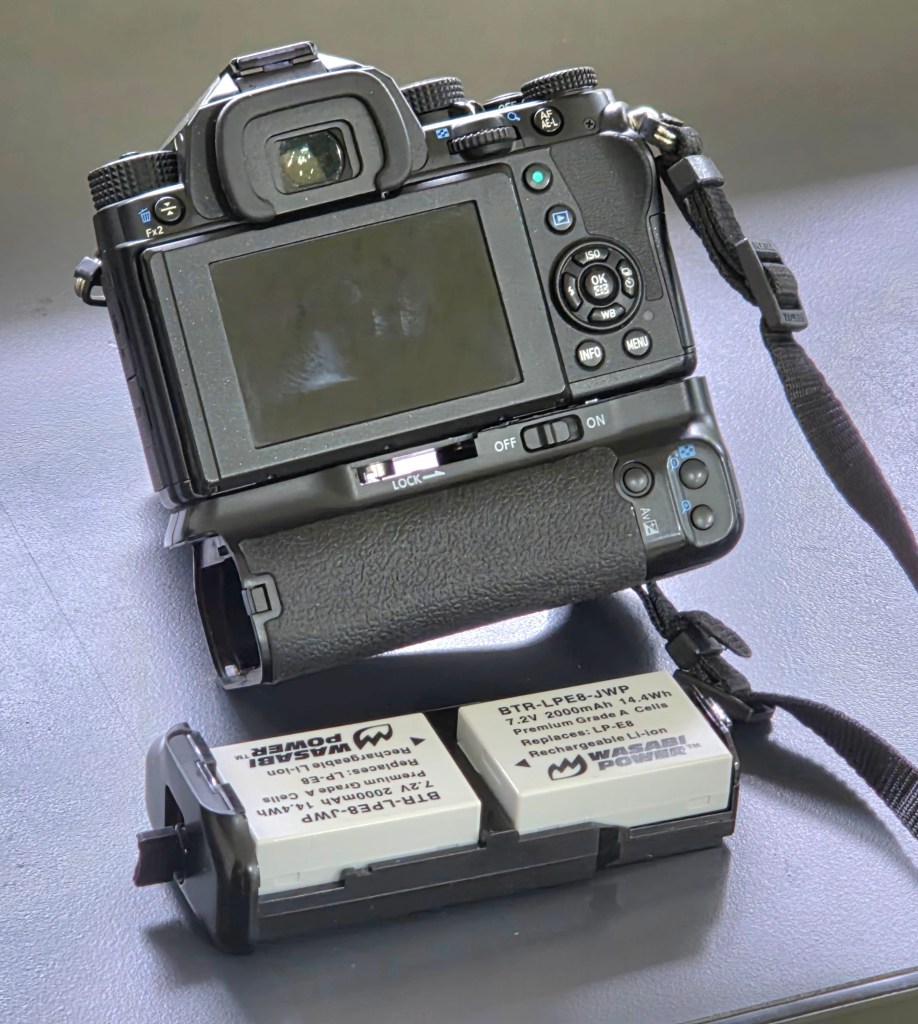
Alternative battery option for Pentax KP

Night Sky in Focus 
© Anthony Urbano | Bacoor, Philippines
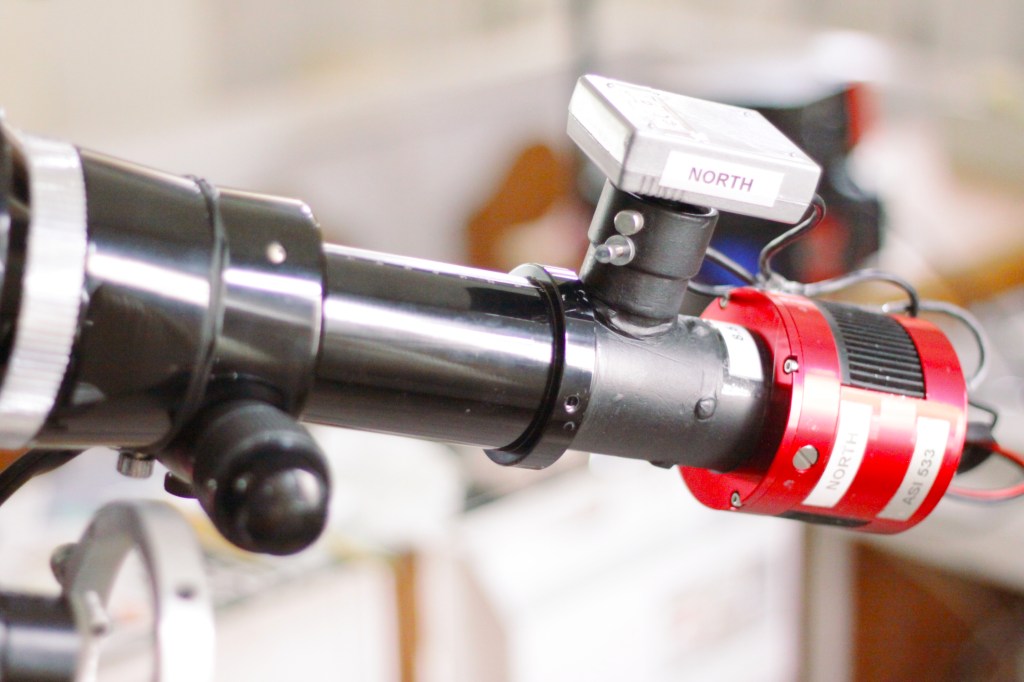
DIY Off-Axis Guider (OAG)

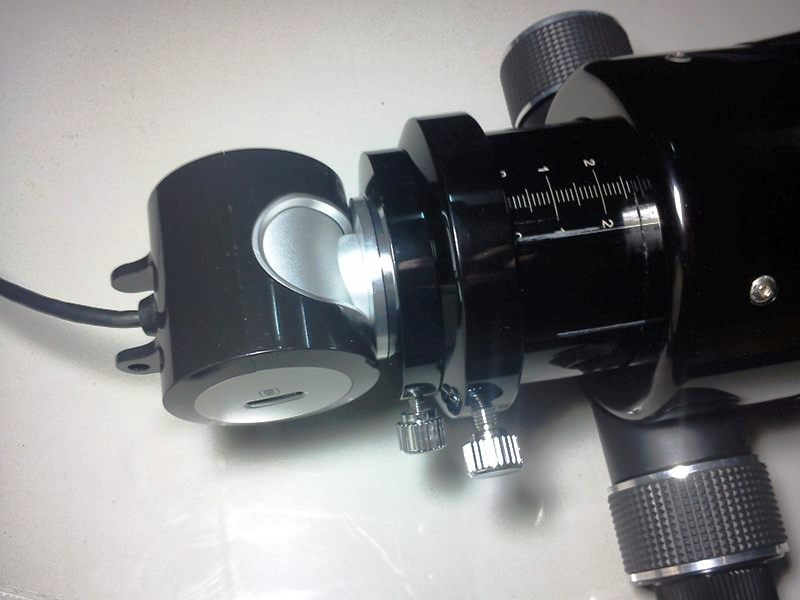
I have built a DIY off-axis guider (OAG) using a mirror from a DSLR camera, some tube extenders (2 in and 1.25 in diameter), and a webcam. To build the OAG, I removed the lens from a Barlow so I could get a 1.25 inch barrel for the webcam attachment, and then fastened it perpendicular to a 2 inch extender, where an appropriate side hole has been made. I then fabricated a small mirror mount (like a secondary mirror mount in a Newtonian) using some brass material, to send the reflected light on to the side. The placement of the mirror and the proper spacing to achieve focus required trial-and-error.

DIY Off-Axis Guider (OAG)

In off-axis guiding, the telescope functions both as an imaging scope and a guide scope. In this configuration, a mirror or a prism receives a portion of the light without blocking the main imaging sensor, sending the light to a guide camera. In this build, I used a high-quality mirror I happen to have found in a non-working Canon 1100D. To use the improvised OAG, focus the main camera first, and then slide the guide camera in or out to achieve focus.

Related link: View all home-brewed DIY astronomy equipment

Night Sky in Focus 
© Anthony Urbano | Bacoor, Philippines
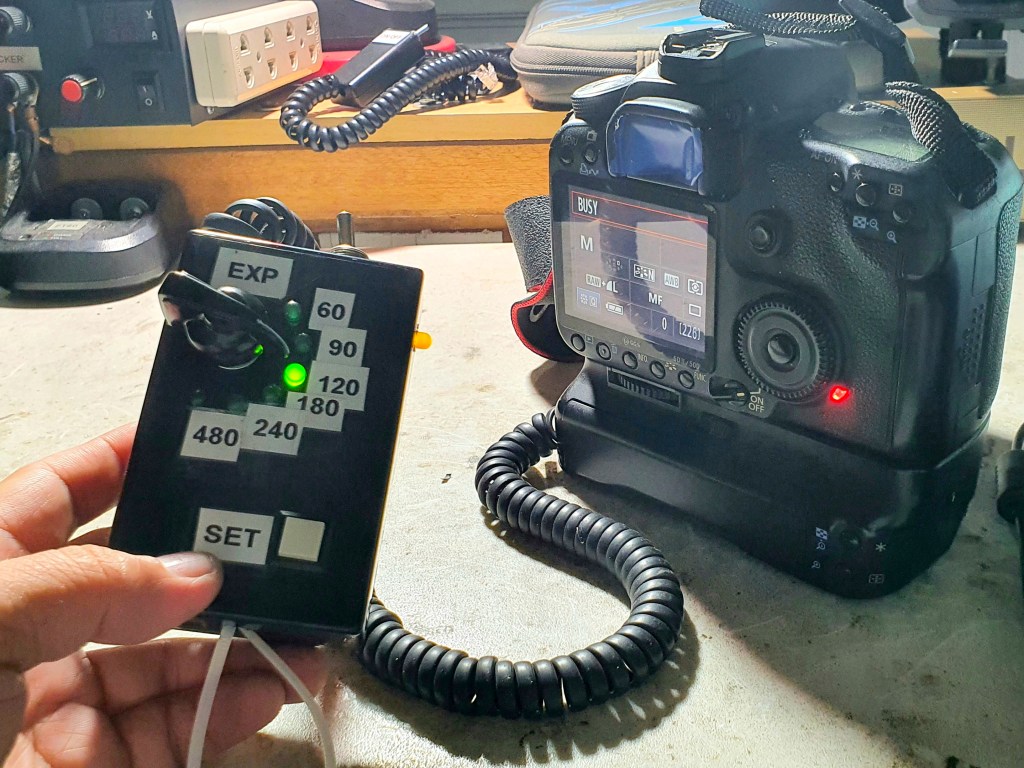
DIY Intervalometer

I’ve built a simple DIY intervalometer for deep-sky imaging, to enable my DSLR camera to take a series of photos of galaxies and nebula. It features a rotary dial with preset exposure times. When used with an autoguider setup, the intervalometer allows taking unattended exposures, while the telescope tracks a galaxy or nebula.

DIY Intervalometer for a Canon 50D

Related link: View all home-brewed DIY astronomy equipment

Night Sky in Focus 
© Anthony Urbano | Bacoor, Philippines
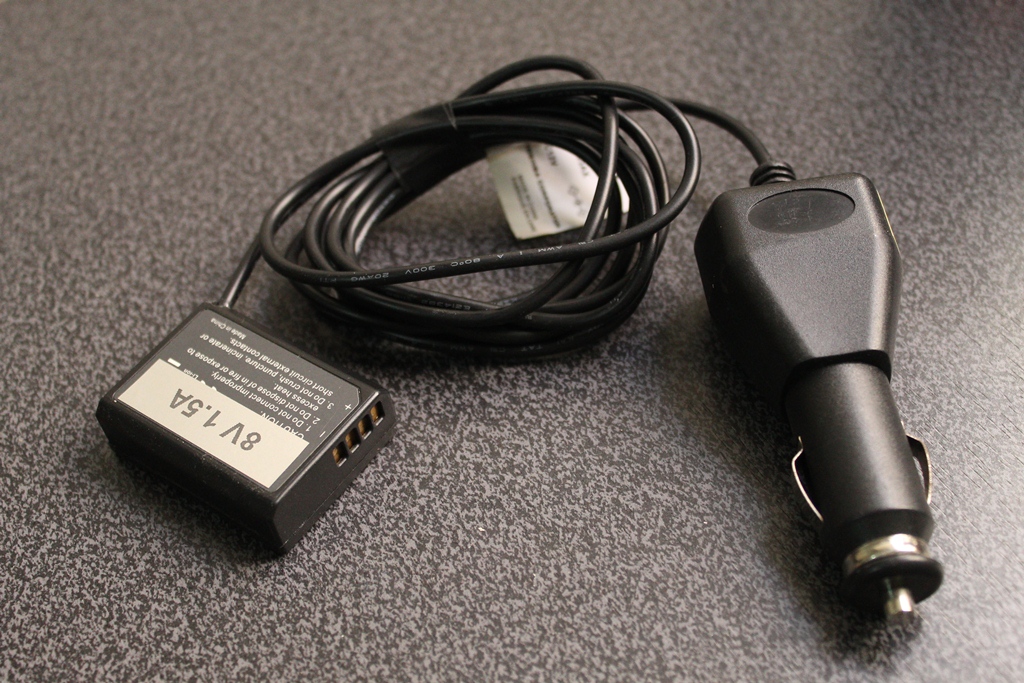
DIY Battery Adapter for DSLR

I’ve built a DIY battery adapter for a Canon 1100D using a 12V power connector, a power supply regulator, and housing of an old battery. The DIY adapter provides power to the DSLR from a DIY field battery for extended use during imaging sessions.

Battery Adapter for Canon 1100D

Related link: View all home-brewed DIY astronomy equipment

Night Sky in Focus 
© Anthony Urbano | Bacoor, Philippines

DIY Planetary Camera

By attaching a webcam or a dash cam to a telescope using a special type of adapter, it is possible to take up-close photos of planets.

Web Camera | Replace the webcam’s lens by a special type of adapter called a webcam-to-telescope adapter. Insert the webcam with an adapter into the eyepiece barrel of the telescope’s focuser.

Mars imaged with an SPC900NC web camera
SPC900NC webcam attaches to a telescope with webcam-to-telescope adapter

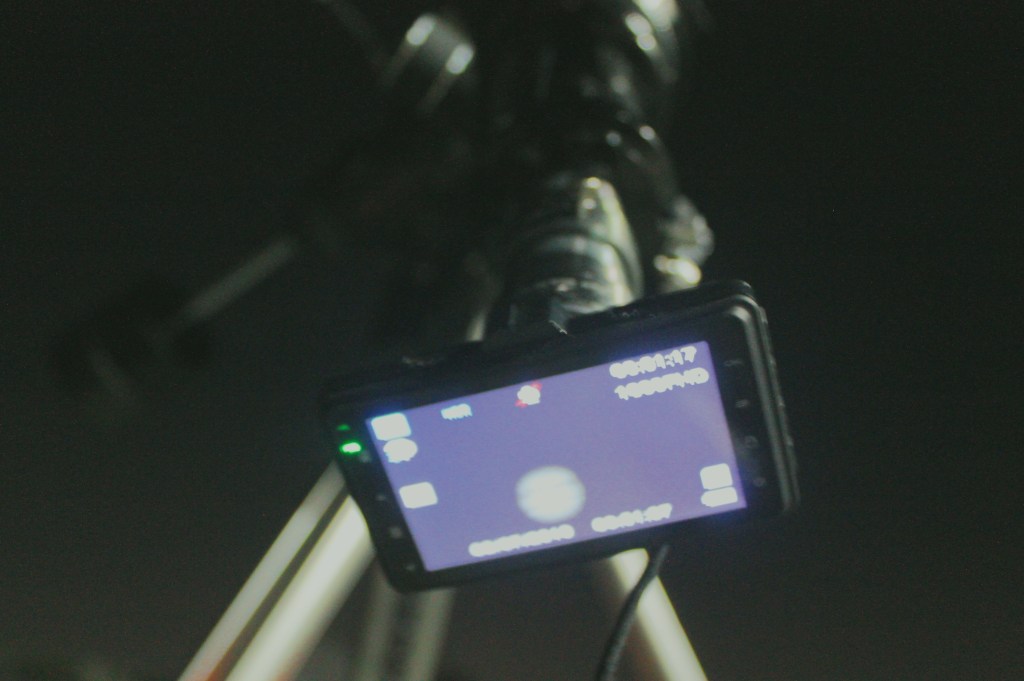
Dash Camera | I repurposed my old dash camera as a planetary camera. The lens was removed and replaced with a webcam-to-telescope adapter and then mounted on to a telescope.

Polaroid N302 dash camera repurposed for planetary imaging

Related link: View posts on camera modification projects

Night Sky in Focus 
© Anthony Urbano | Bacoor, Philippines
Peltier-Cooled and Filter-Modified DSLR

During an exposure, the imaging sensor of a DSLR warms up, resulting to noisy images. By cooling down the sensor, it is possible to eliminate or somehow minimize this thermal noise.

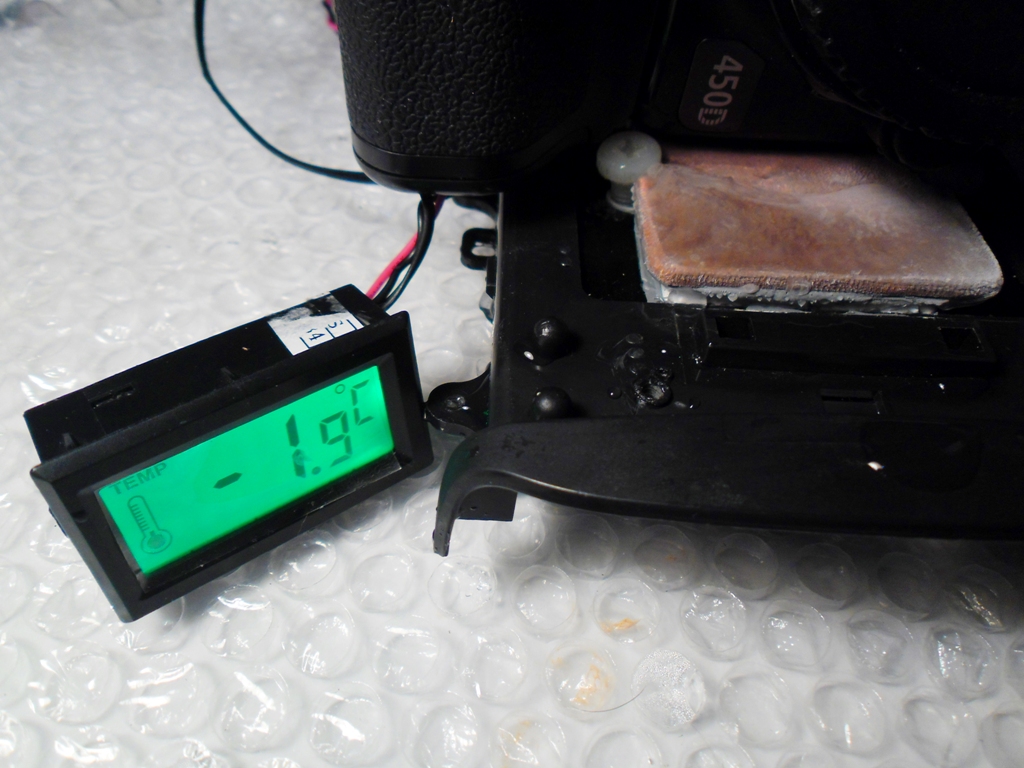
Cooling the camera’s sensor using a Peltier module

I have made a number of attempts to accomplish this with a Canon 450D and a Peltier module, however, it appears it is very difficult to implement without running into problems such as condensation and frosting.

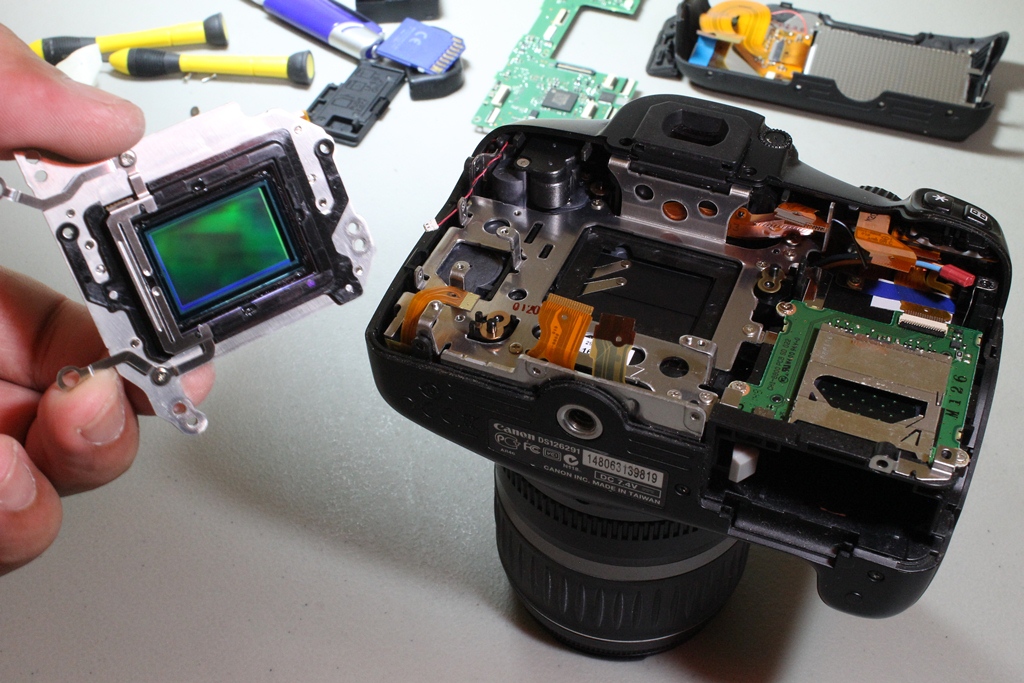
I have also performed filter modifications on a number of DSLR cameras (Canon 450D, 700D, 1200D, 500D, 1000D, 1100D, Nikon D3100, and Fuji X-A1) for me and my colleagues. It involves the removal of the stock UV-IR filter, making the camera more sensitive to H-alpha wavelengths. This modification is helpful only when shooting targets with H-alpha emissions, as most DSLR camera’s standard (stock) filter blocks this part of the spectrum.

Take note of the shift in white balance (reddish hue), which is to be expected in this type of modification. Focus will be affected, your camera may no longer focus with compatible lenses unless you add a filter between the lens and the sensor, to address the shift in focus and to filter out UV-IR. If used with telescopes, you need a DSLR-to-telescope adapter and achieve focus using the telescope’s focuser.

Related link: View all home-brewed DIY astronomy equipment

Night Sky in Focus 
© Anthony Urbano | Bacoor, Philippines