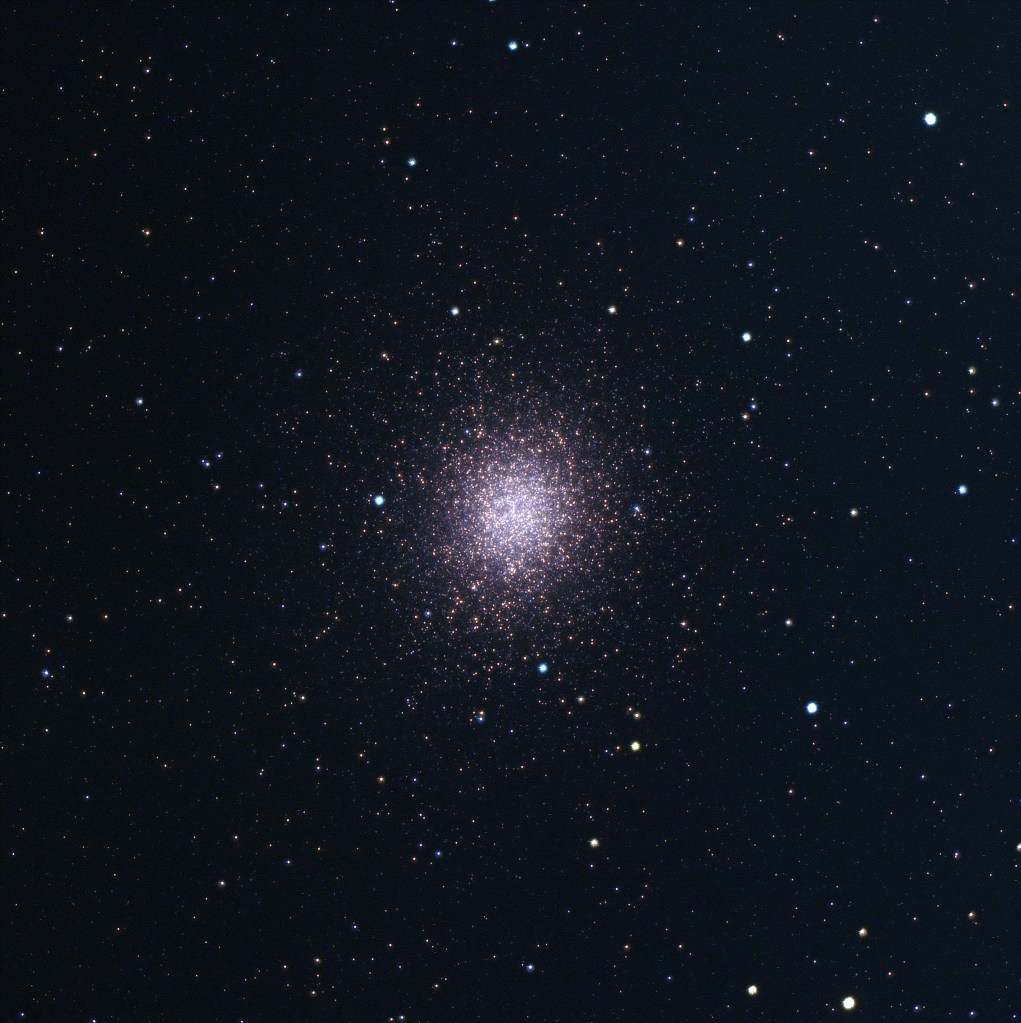
Omega Centauri (NGC 5139) imaged with a Sky-Watcher Equinox 100ED at 557 mm and an ASI 533MC astronomy camera. I used a restored Meade LXD75 mount and an off-axis guider with ASI 174MM guide camera. This image was taken with a DIY focal length reducer.
Omega Centauri, 1 hour exposure
For a complete list of astrophoto images, click here.
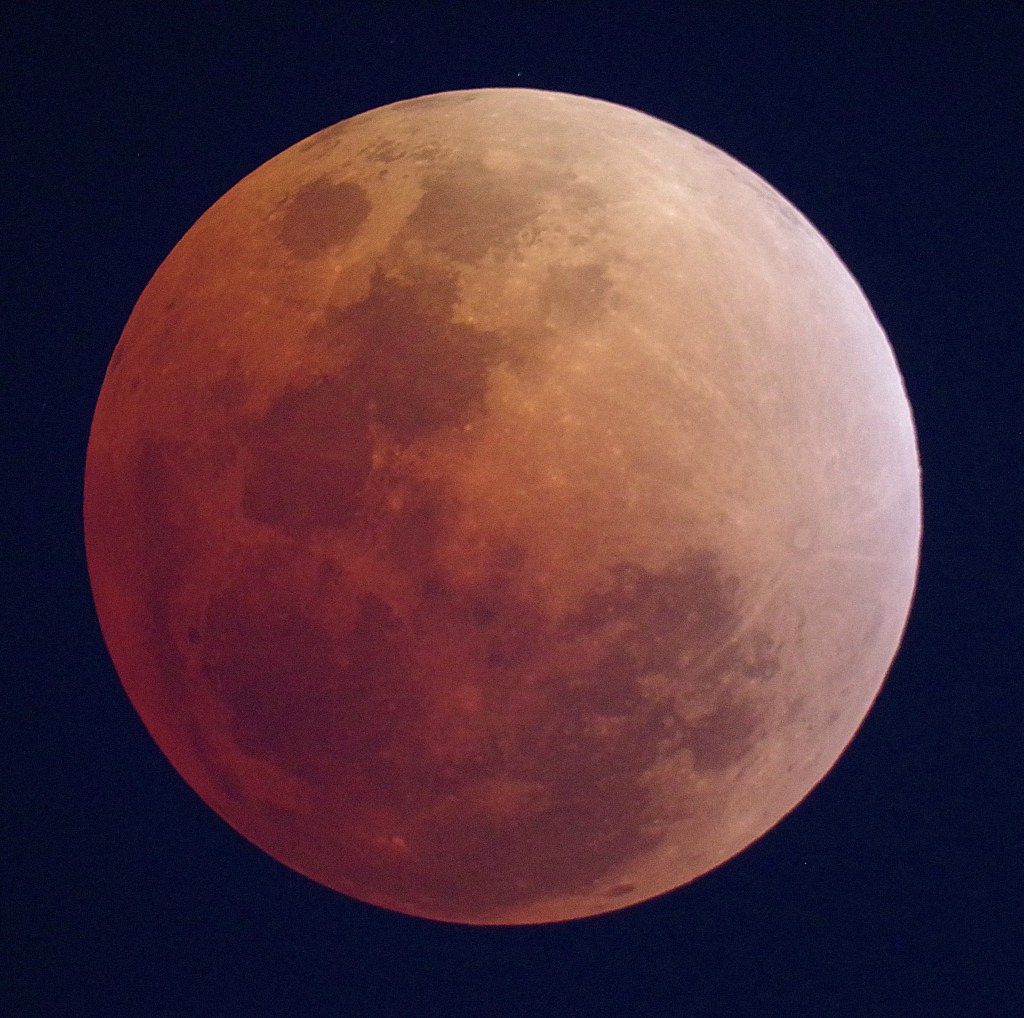
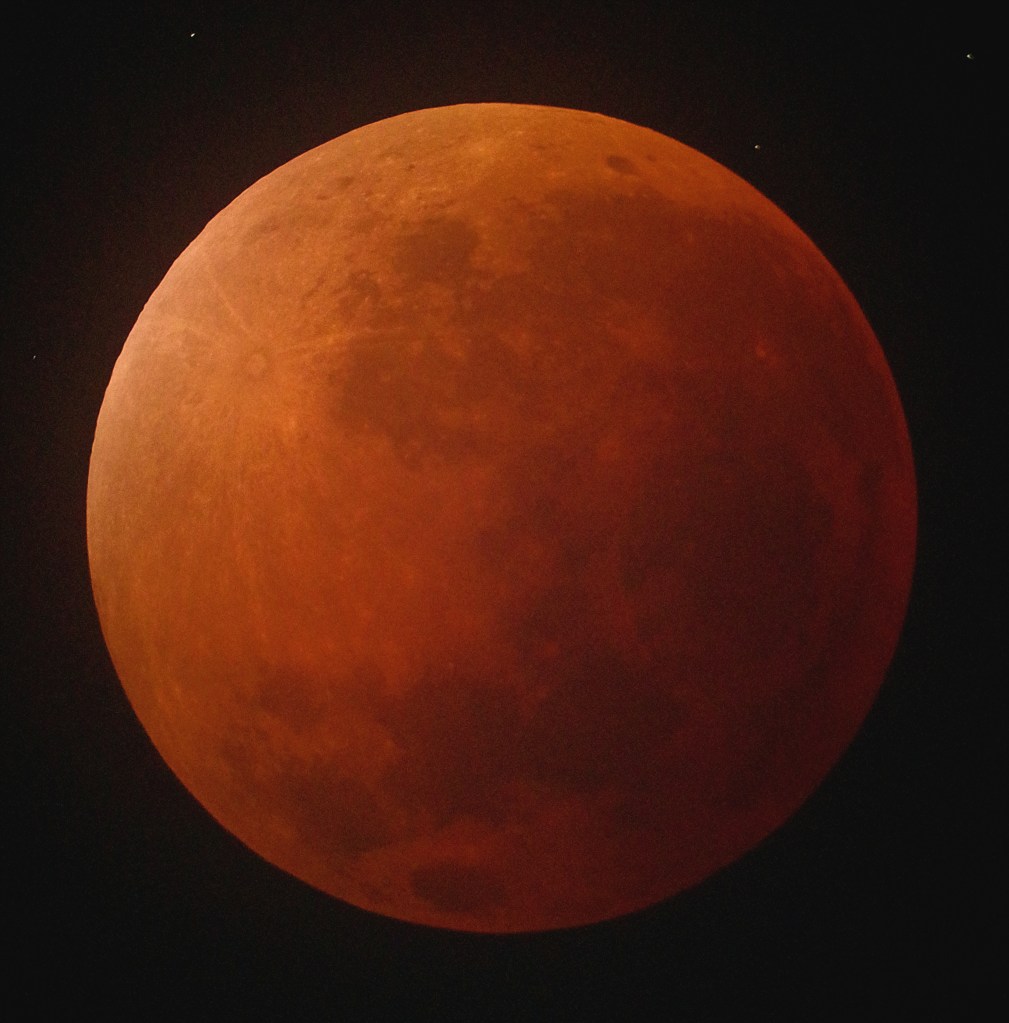
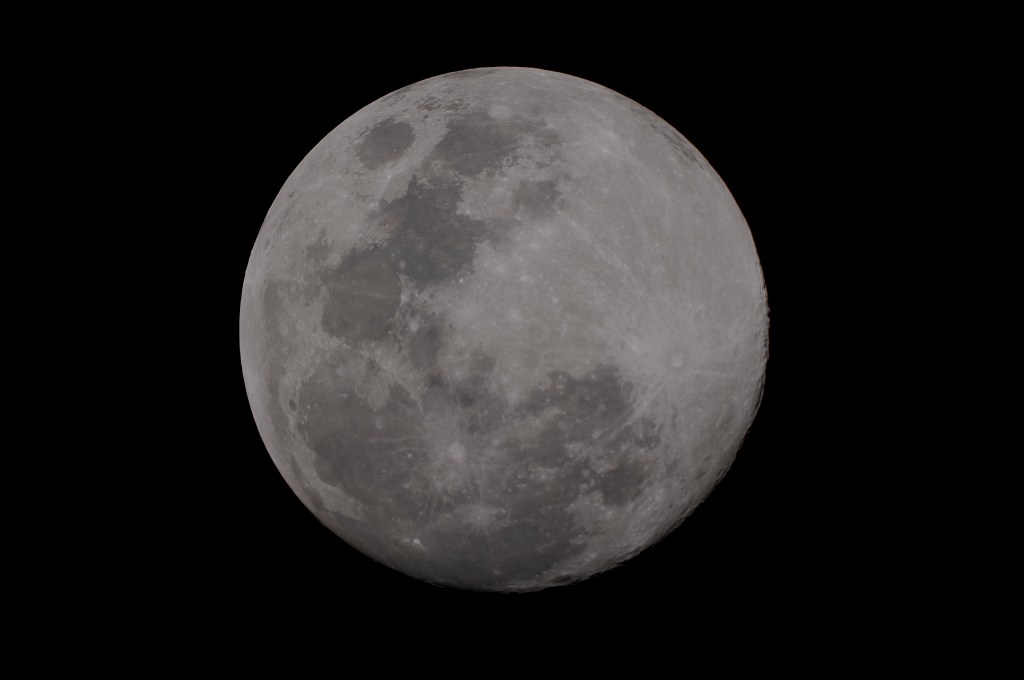
Totally-eclipsed moon imaged with an 8 inch Celestron SCT and a Pentax KP DSLR, at ISO 6400, 1/2 seconds exposure time, on 03 March 2026 in Quezon City, Philippines. An improvised focal reducer was used to shorten the native focal length from 2000 mm to 1140 mm to fit the full disk of the Moon to an APSC-sized sensor. Focal ratio was also reduced from f/10 to f/5.7, resulting in a brighter image with shorter exposure time.
Totally-eclipsed moon imaged with an 8 inch Celestron SCT and a Pentax KP DSLR, at ISO 6400, 1/2 seconds exposure time, on 03 March 2026 in Quezon City, Philippines.
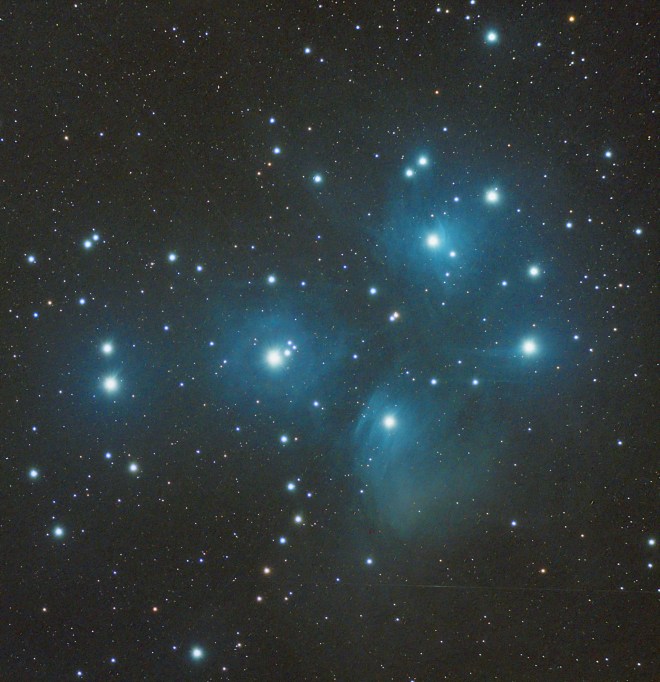
M45 Pleiades star cluster imaged with a Kenko SE 66ED refractor at 400 mm focal length, HoTech field flattener, ASI 533MC astronomy camera, ASI 174MM guide camera, and a restored Meade LXD75 tracking mount.
M45 Pleiades Star Cluster, 1 hour exposure
For a complete list of astrophoto images, click here.
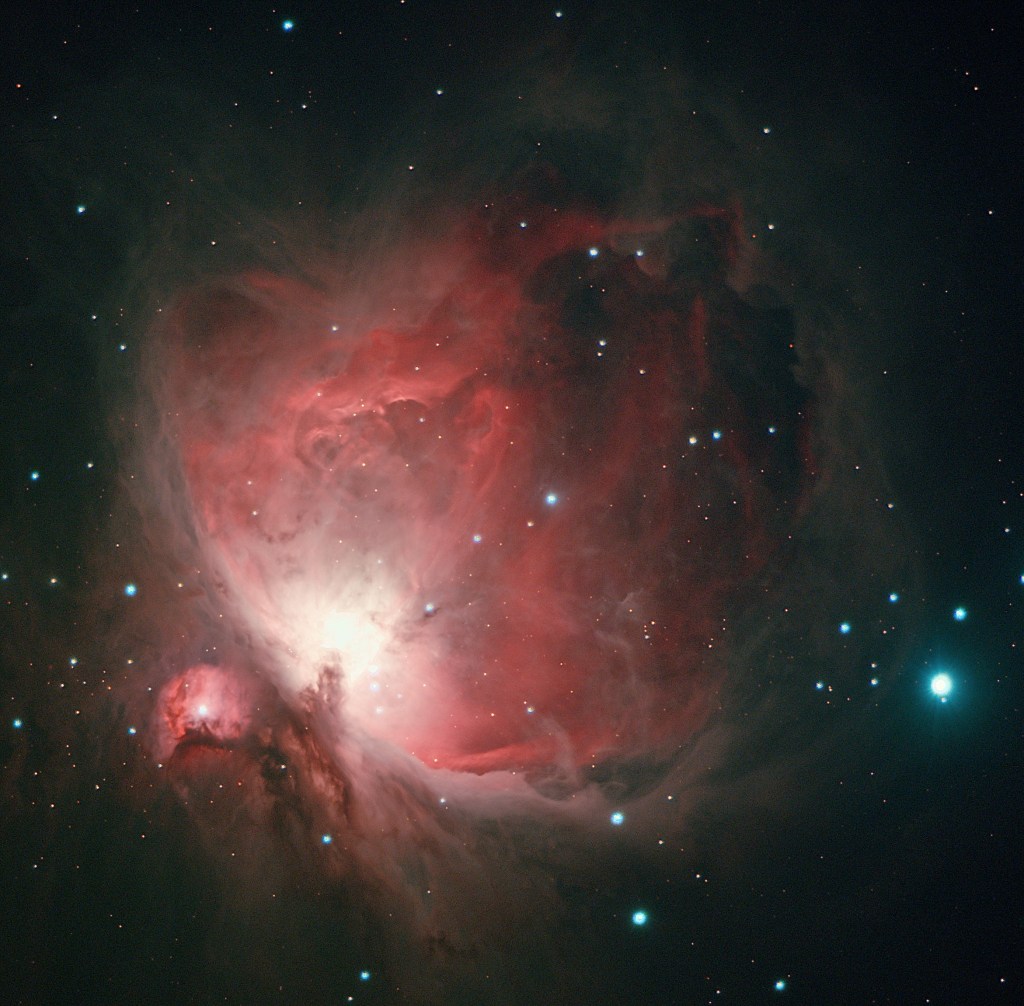
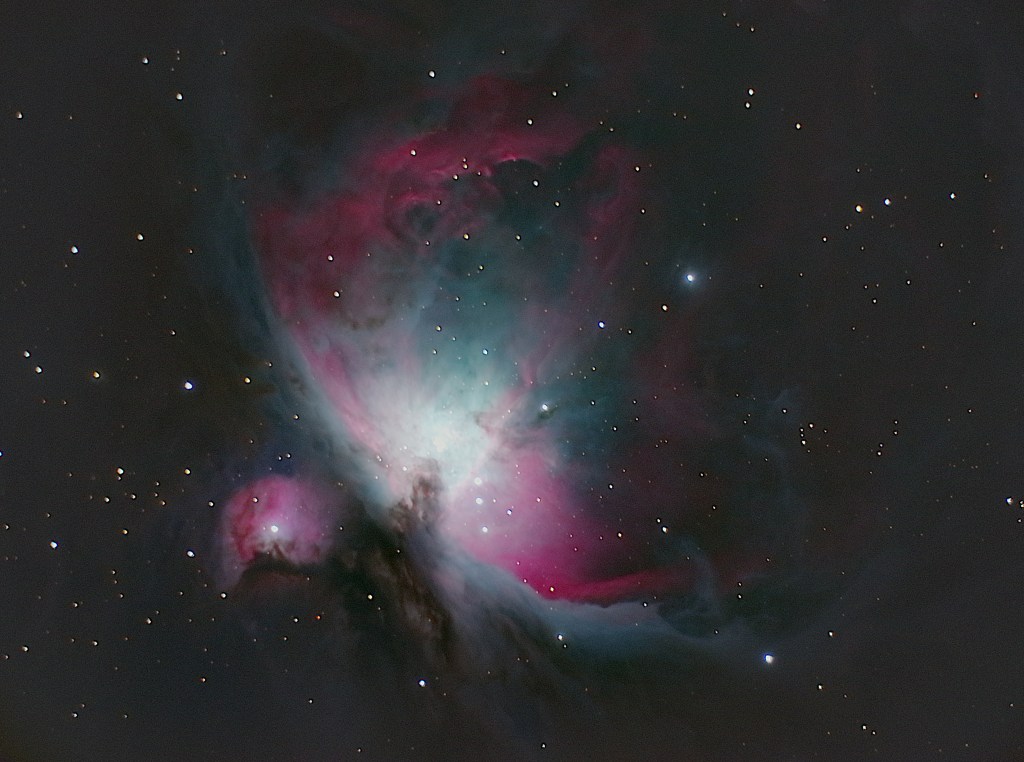
Orion Nebula M42 imaged in 5 different sessions from 2023 to 2025, with a 4 in refractor at 557 mm focal length, an ASI 533MC cooled astronomy camera, dual band H-alpha and O-III filter, with an LXD75 mount and an ASI 174MM guide camera. This image was taken with a DIY focal length reducer.
Orion Nebula, 8.5 hours exposure
For a complete list of astrophoto images, click here.
Totally-eclipsed moon imaged with an 8 inch Celestron SCT and a Pentax KP DSLR, at ISO 6400, 3 seconds exposure time, on 08 September 2025 at the PAGASA Astronomical Observatory in Quezon City, Philippines. An improvised focal reducer was used to shorten the native focal length from 2000 mm to 1140 mm to fit the full disk of the Moon to an APSC-sized sensor. Focal ratio was also reduced from f/10 to f/5.7, resulting in a brighter image with shorter exposure time. Stars were visible with the fully-eclipsed moon.
Totally-eclipsed moon imaged with an 8 inch Celestron SCT and a Pentax KP DSLR, at ISO 6400, 3 seconds exposure time, on 08 September 2025 at the PAGASA Astronomical Observatory in Quezon City, Philippines.
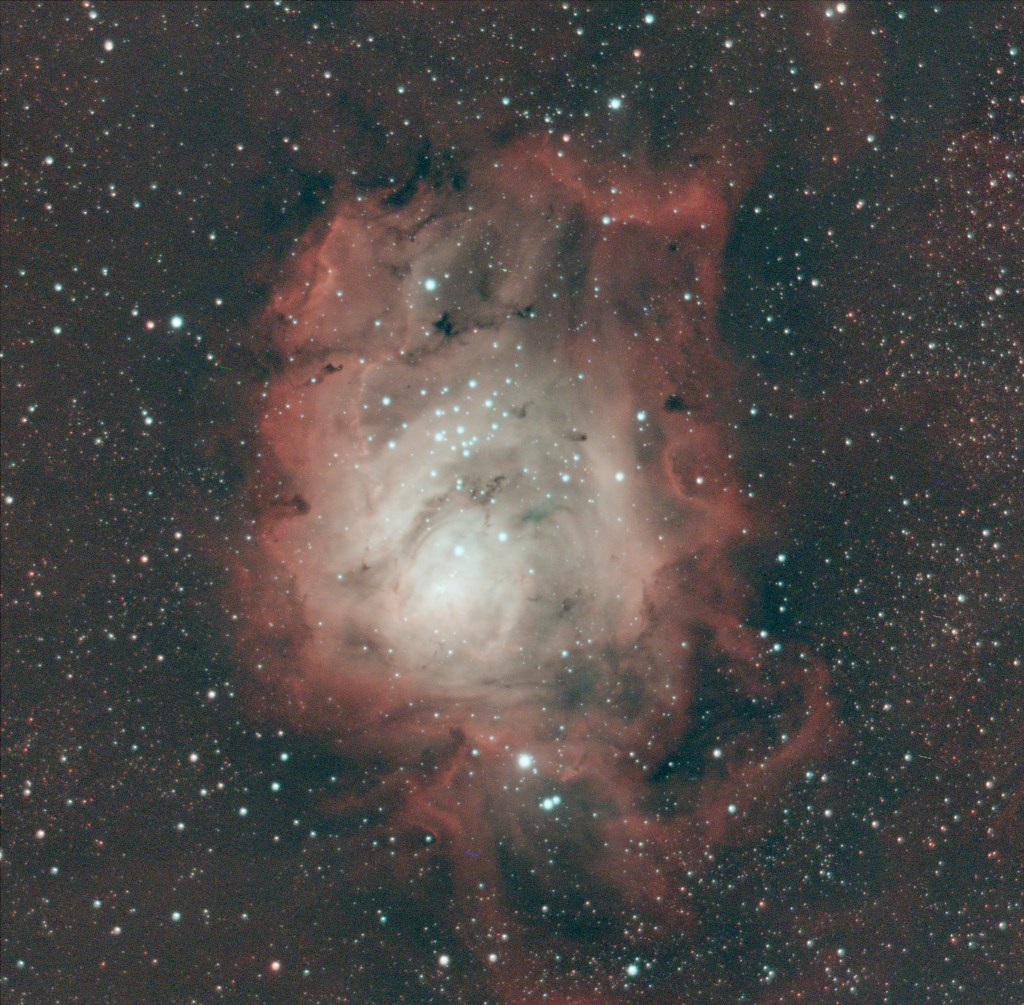
Lagoon Nebula M8 imaged with a 4 in refractor at 557 mm focal length, an ASI 533MC cooled astronomy camera, dual band H-alpha and O-III filter, with an ASI 174MM guide camera. This is a test image taken with a DIY focal length reducer.
Lagoon Nebula M8, 1 hour exposure
For a complete list of astrophoto images, click here.
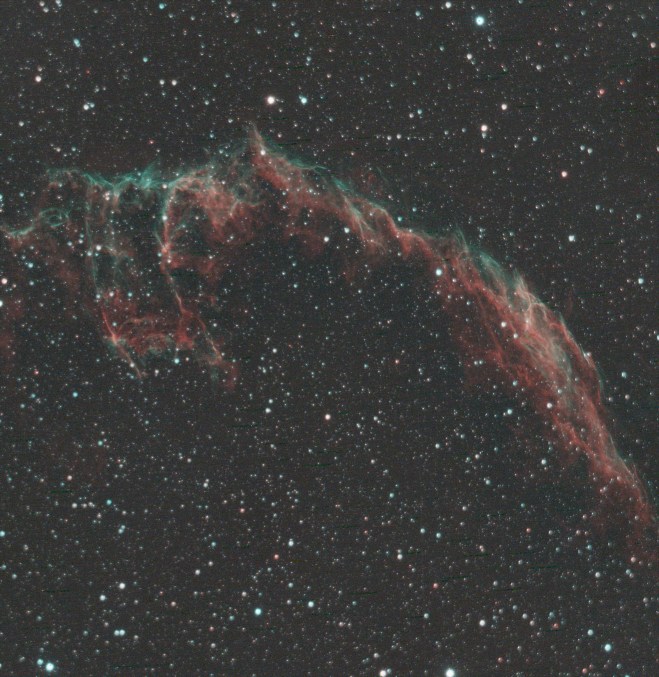
Eastern Veil Nebula imaged with a Sky-Watcher Equinox 4 in refractor at 557 mm through a DIY focal length reducer, ASI 533MC cooled astronomy camera, dual band H-alpha and O-III filter, and an ASI 174MM guide camera.
Eastern Veil Nebula, 3 hours
For a complete list of astrophoto images, click here.
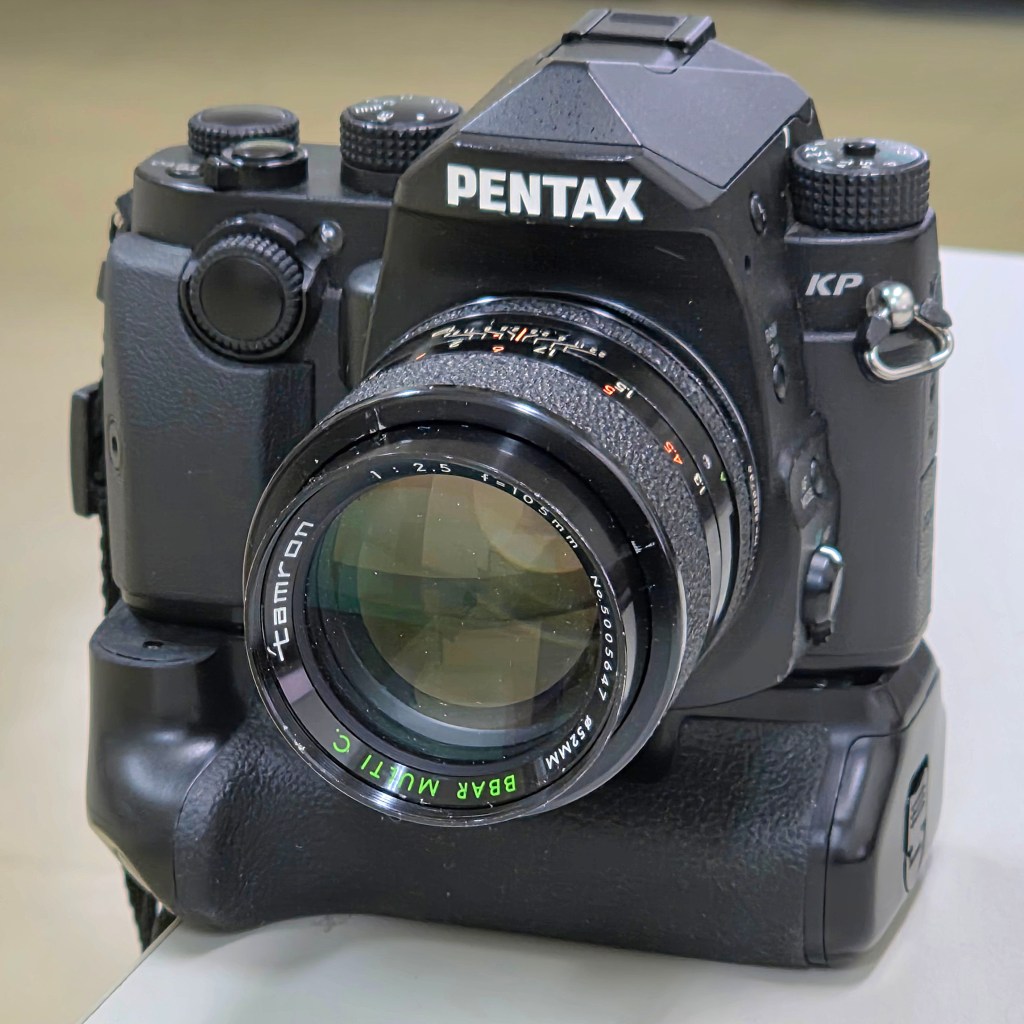
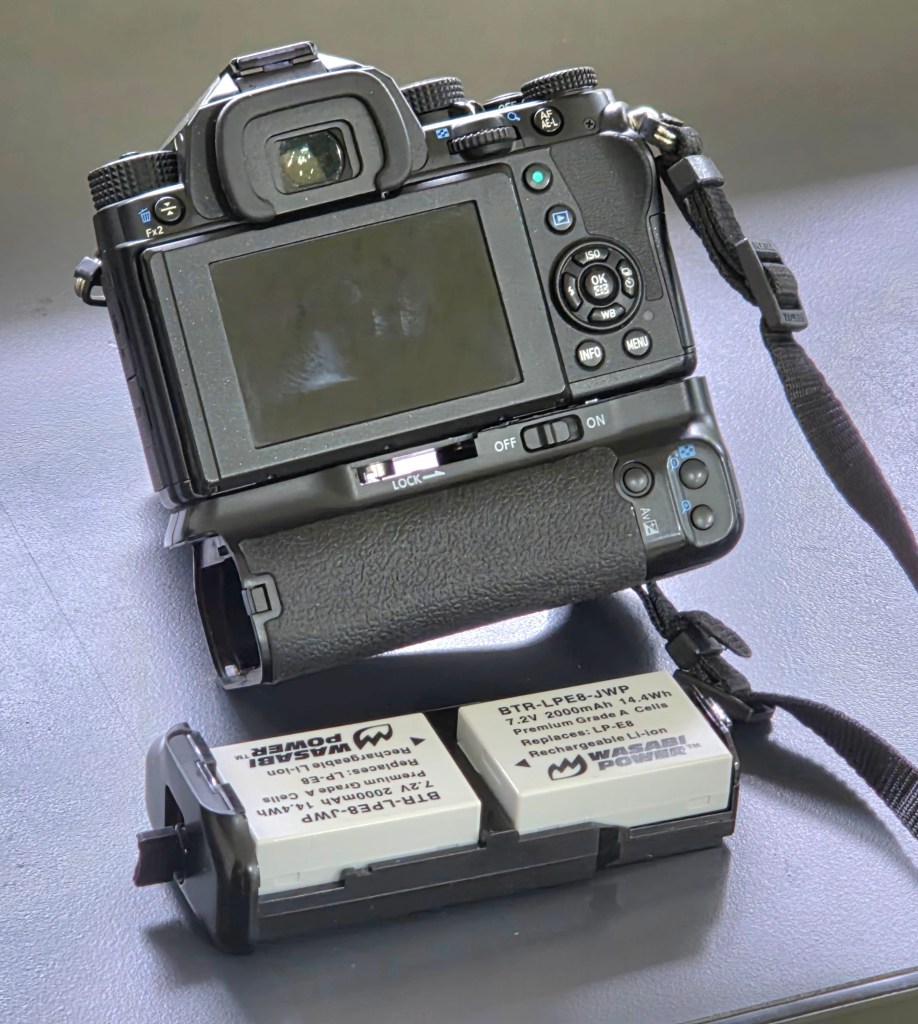
I have fitted my Pentax KP with a Neewer BG-E8 battery grip (intended for Canon cameras). While I also have the dedicated Pentax D-BG7 grip, I have made this modification to explore alternative battery options for the Pentax KP. In this modification, some filing is needed to flatten out the curved surfaces to flush the camera nicely to the grip. A new hole was then drilled in the grip since the tripod shoe locking screw was not aligned. A dummy battery was then used to connect the power to the camera. The grip’s buttons are non-functional since I have yet to figure out and map the proper connections!
I have tested my Pentax KP to work with various power supplies ranging from 7.2V to 8.4V. For instance, it was tested to work with 6 NiMH AA batteries in series at 1.2V each, it works with a Fujifilm 7.2V NPW126S batteries, it works with Canon CA PS700 7.4V power adapter, and even works with two 3.6V to 4.2V 18650 cells in series.
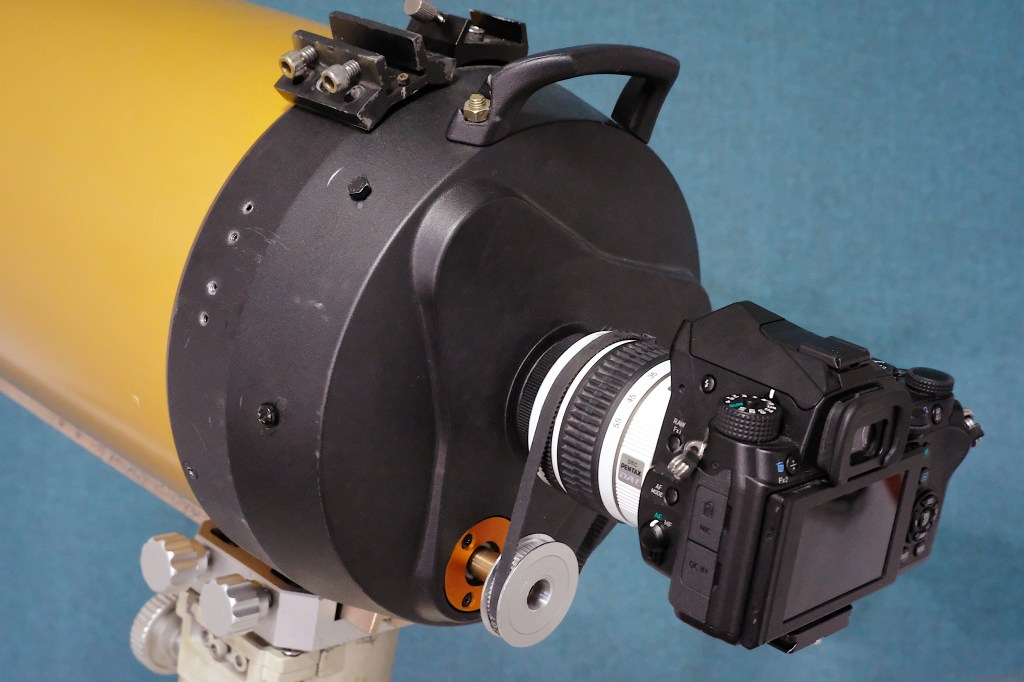
I wanted to test if it is possible to tap onto a DSLR lens’ autofocus system and use it to move the focusing knob of a telescope. I happen to have an old Pentax kit lens that works with the Pentax Screw Drive focusing system. It uses a motor in the DSLR body which is connected to the lens through some mechanical linkage. I have removed the lens elements of the kit lens and used improvised adapters to attach it to a Celestron 8 inch telescope. I then used a belts and pulleys to link the moving part of the lens with that of the focusing knob of the telescope. It did a few tests and it appears to work on some of the targets, like distant towers and the moon.
DIY Autofocuser for Celestron C8 using the Pentax Screw Drive focusing system
To view how I used a Pentax kit lens to add autofocus capabilities to my telescope, click here.
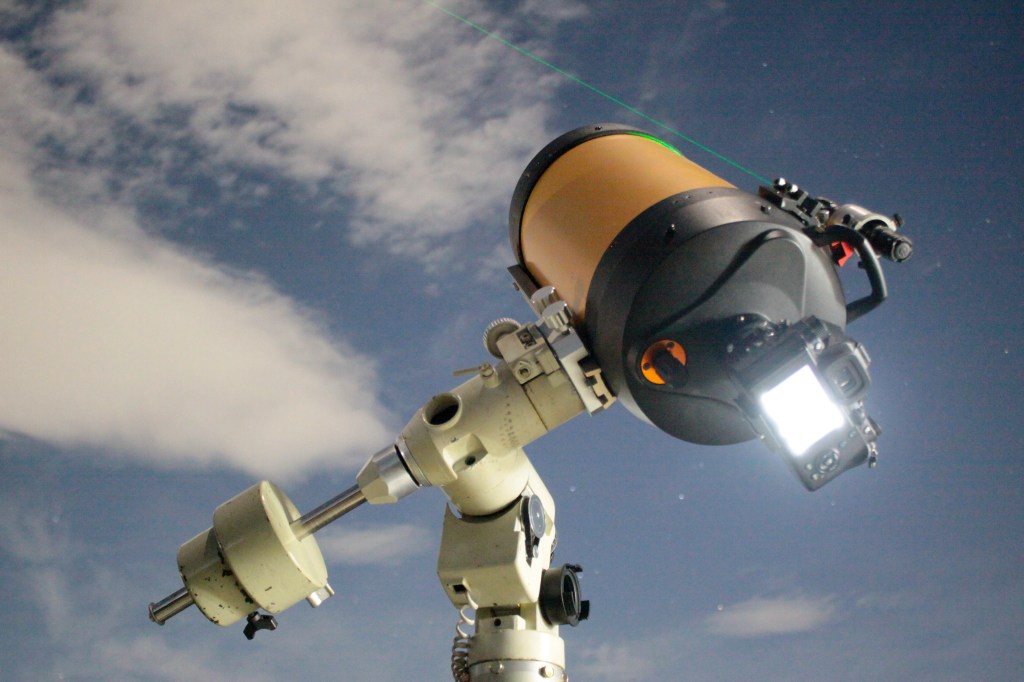
I am now using a Pentax KP as my main astrophotography DSLR. Recently I have been testing this new setup using the Pentax KP and a Celestron 8 inch SCT with DIY reducer. Here are some photos taken at with this setup at 1335 mm focal length at f/6.6. I used an improvised adapter to attach the KP to this telescope.
Orion NebulaMoonPentax on 8 inch SCT
For a complete list of astrophoto images, click here.
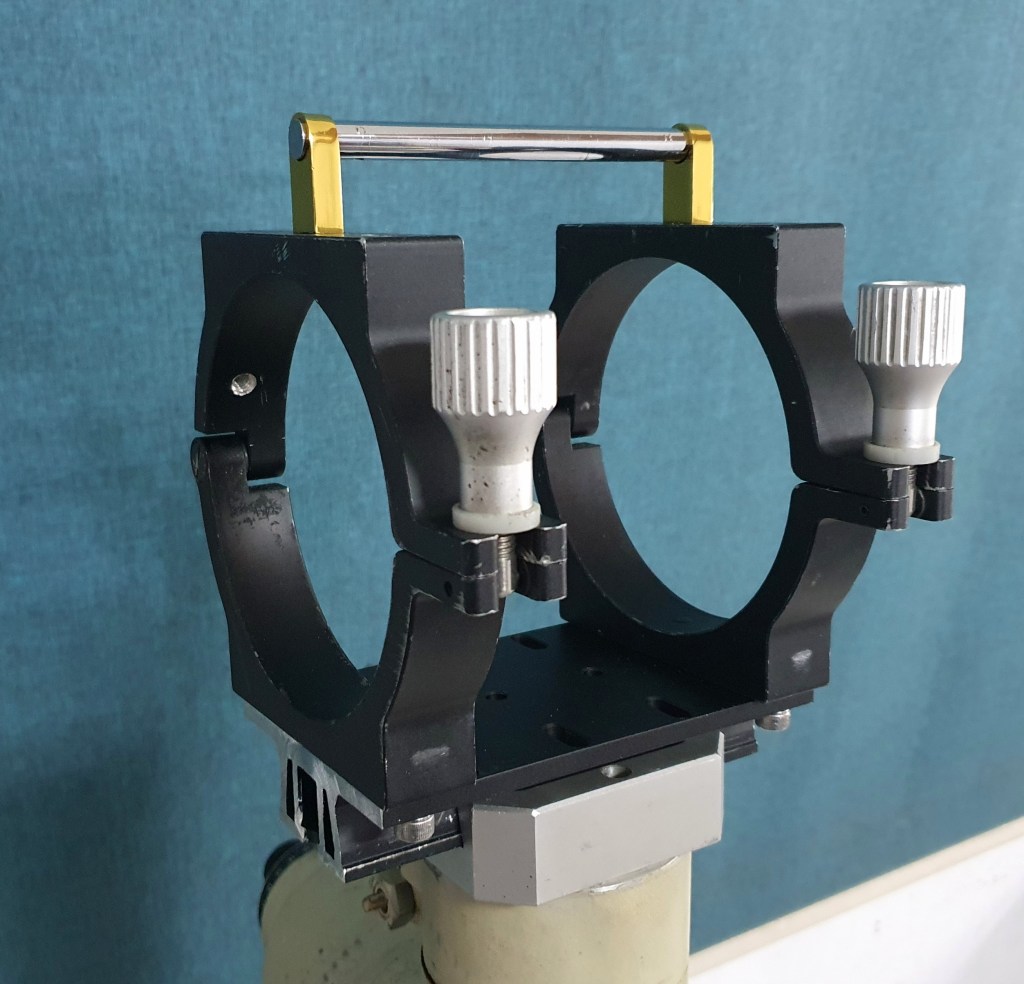
I have used door handles to serve as my telescope’s carrying handle. A carrying handle allows for easy transport of a telescope, especially for mobile setups that need to be assembled and disassembled with each imaging session.
The carrying handle was attached directly to the mounting rings, secured with two screws flushed underneath.
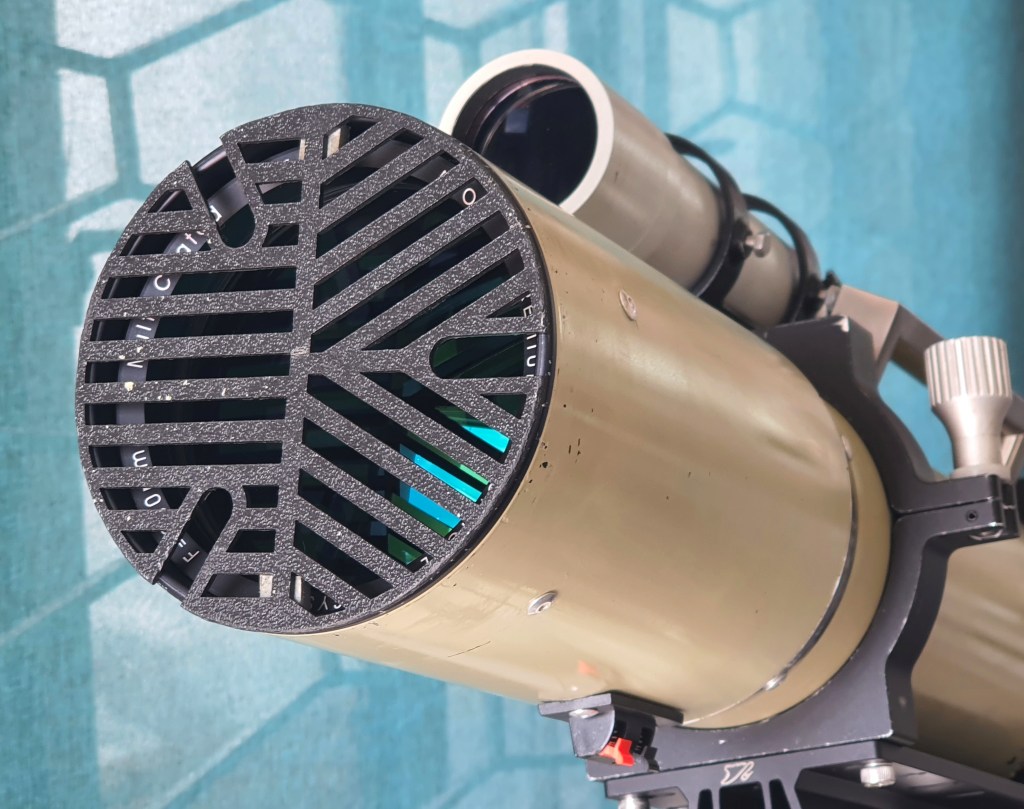
A Bathinov mask is a focusing tool for checking precise focus by observing the diffraction pattern formed around stars. Placing the mask in front of a telescope’s objective produces spikes: a perfectly focused star shows symmetrical pattern in contrast to an asymmetrical pattern produced by an unfocused star.
A Bathinov mask for a 4 inch refractor. When not in use, the mask is placed inside the lens cover.
Ideally, the mask should cover the whole aperture of the telescope. Recently, however, I’ve successfully used an undersized mask for a larger telescope. A Bathinov mask allows you to evaluate whether precise focus has been achieved.
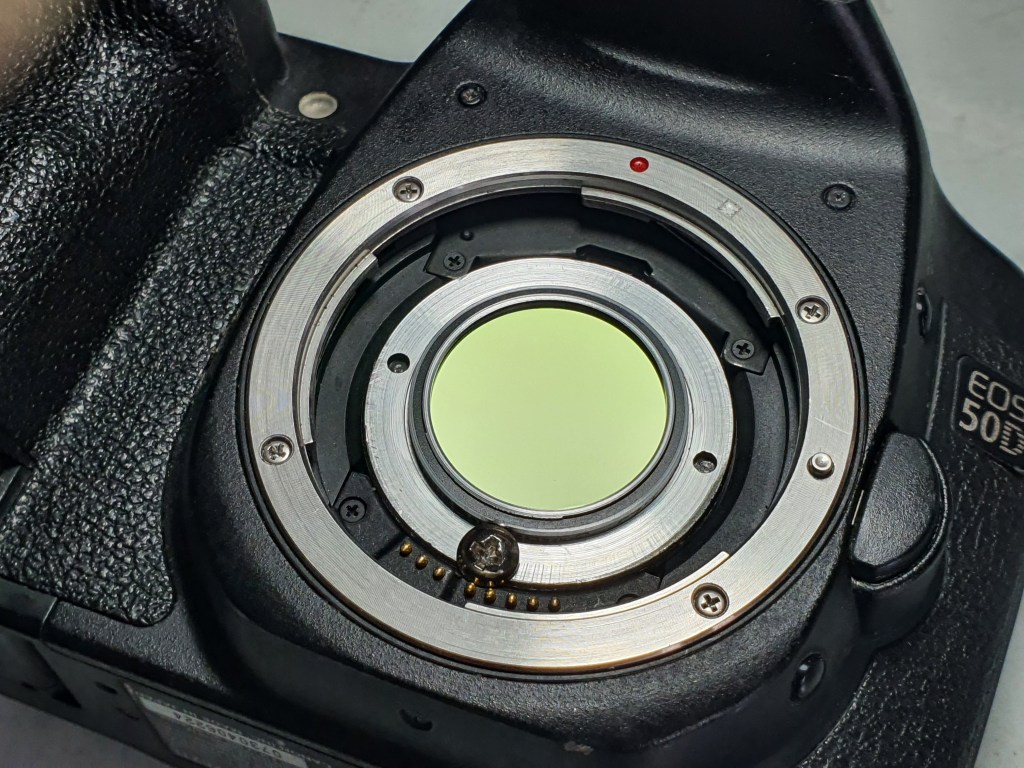
I have built a DIY clip-in filter holder for use with my DSLR. I used a spare T2 to 1.25 inch adapter supplied with my astronomy camera. I noticed that my Canon 50D has space to accommodate this adapter. I then drilled a small hole in the camera and used a small screw to fasten the DIY clip-in filter in place.
DIY clip-in filter for DSLR
The clip-in filter works best with modified DSLR cameras with the stock filter removed. It can be used to mount 1.25 inch filters such as a dual band filter and a UV-IR filter. I have also made a clip-in stock filter so I could still use the modified DSLR for daytime photography.
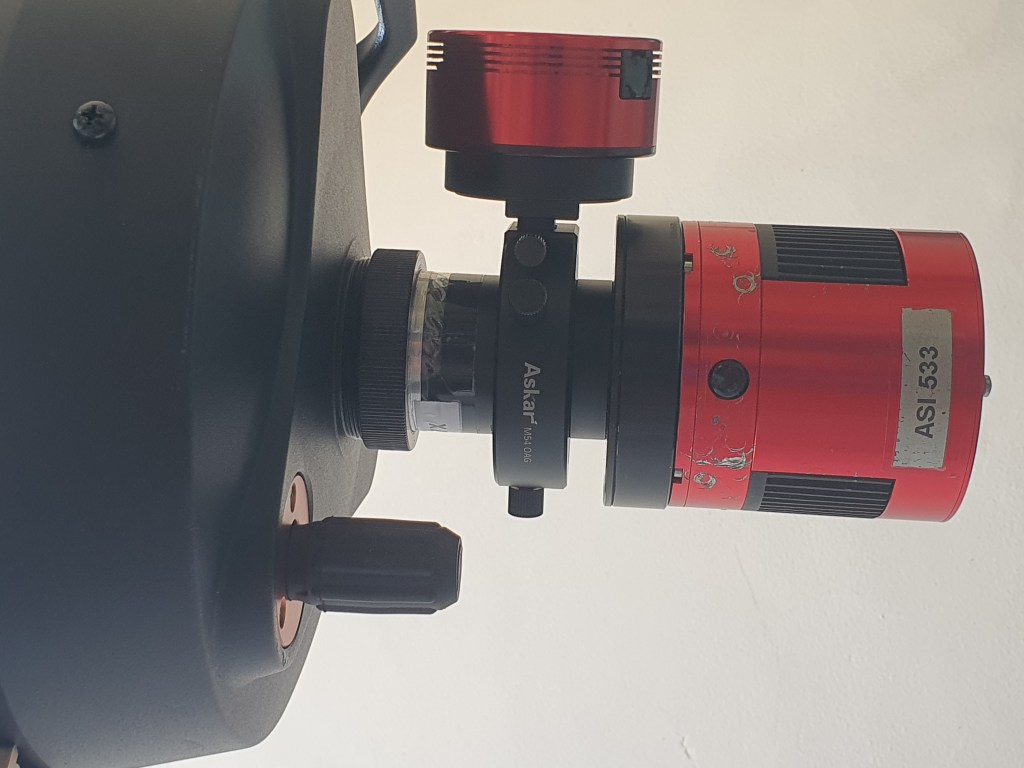
An off-axis guider (OAG) is particularly useful for my imaging setup since my telescope is an 8 inch Celestron SCT. SCTs focus by moving the main mirror, thus, susceptible to mirror shift as it tracks the sky. Since OAGs receive light directly from the main mirror, it can account for any mirror shift.
AOG setup by Askar for my 8 inch SCT, with ASI 174MM as guide camera and ASI 533MC as the imaging camera
I tried to minimize the components by removing the supplied helical focuser (focusing is done by sliding the guide camera instead). The OAG is placed before the filter drawer. Here’s a sample photo of M51 Galaxy imaged with a setup using the OAG at 1140 mm, f/5.7 (with a DIY reducer). To view other photos taken with this OAG, click here.
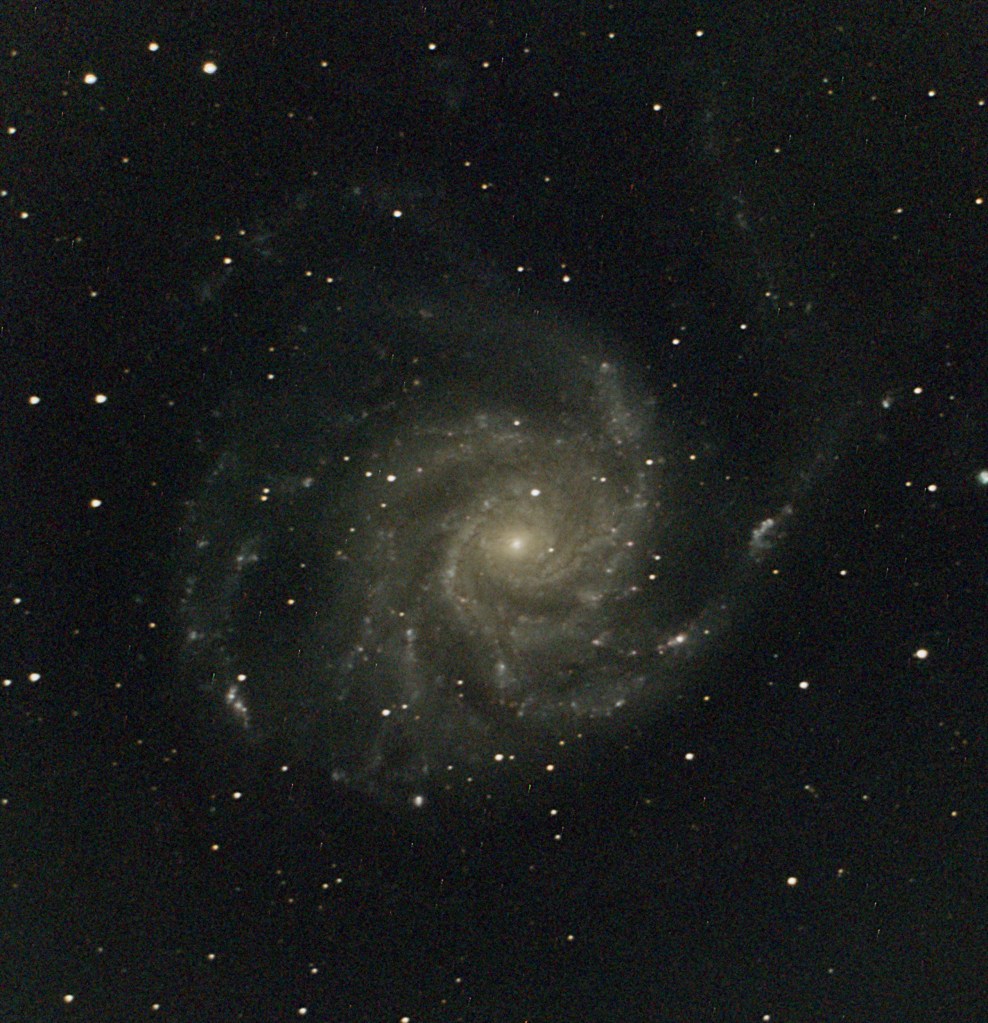
Pinwheel Galaxy M101 imaged with an 8 inch SCT at 1140 mm focal length, an ASI 533MC astronomy camera with UV-IR filter, DIY reducer, and tracked with a restored Vixen Great Polaris mount. M101 has a very low surface brightness. Use the stars near Alcor and Mizar of the Big Dipper to find M101.
Pinwheel Galaxy M101, 2 hours exposure
For a complete list of astrophoto images, click here.
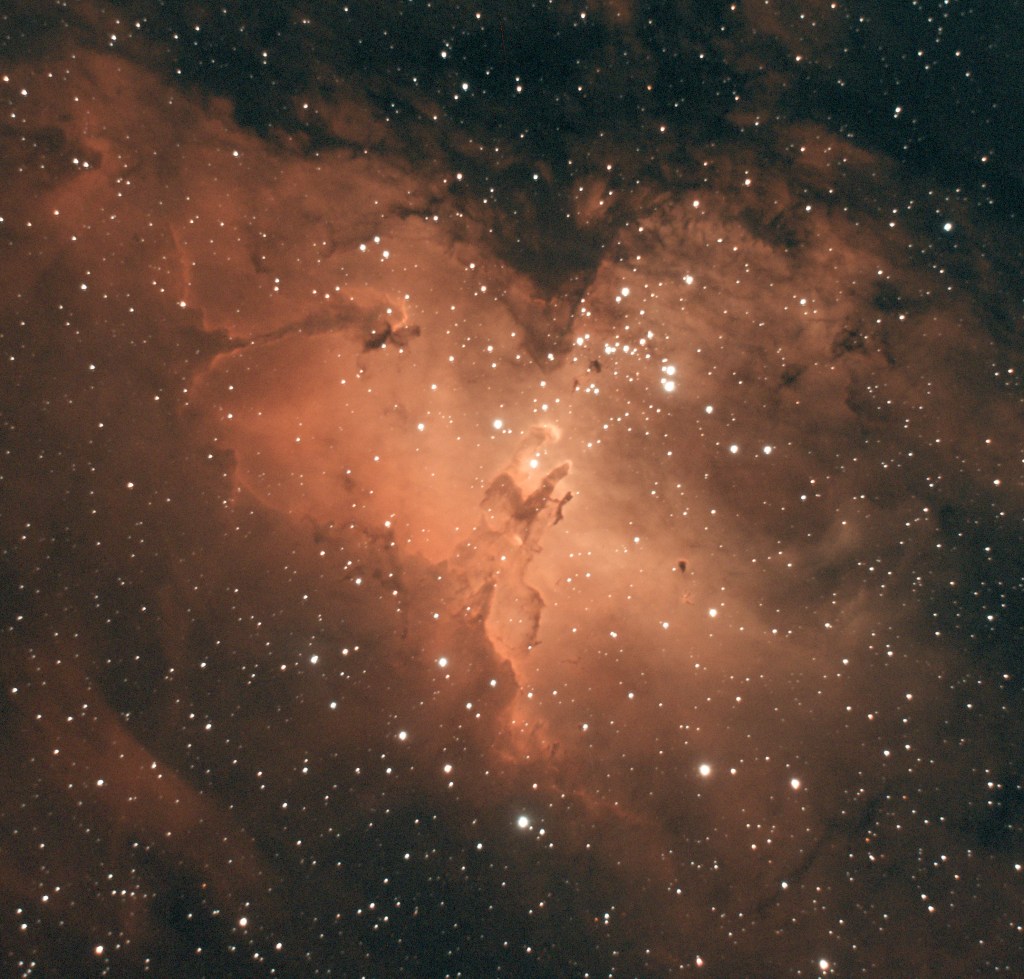
Eagle Nebula M16 imaged with an 8 inch SCT, an ASI 533MC cooled astronomy camera, and dual band H-alpha and O-III filter. I used a restored Vixen Great Polaris tracking mount and an off-axis guider with ASI 174MM guide camera. Use the bright stars of Sagittarius as pointers to find this target.
Eagle Nebula, 1 hour exposure
For a complete list of astrophoto images, click here.
Sombrero Galaxy M104 imaged with a Celestron 8 inch SCT at 1140 mm, and an ASI 533MC astronomy camera. I used a restored Vixen Great Polaris mount and an off-axis guider with ASI 174MM guide camera. M104 is in the constellation Virgo, near the bright stars of Corvus. This galaxy is relatively bright and easy to find.
Sombrero Galaxy M104, 1 hour exposure
For a complete list of astrophoto images, click here.
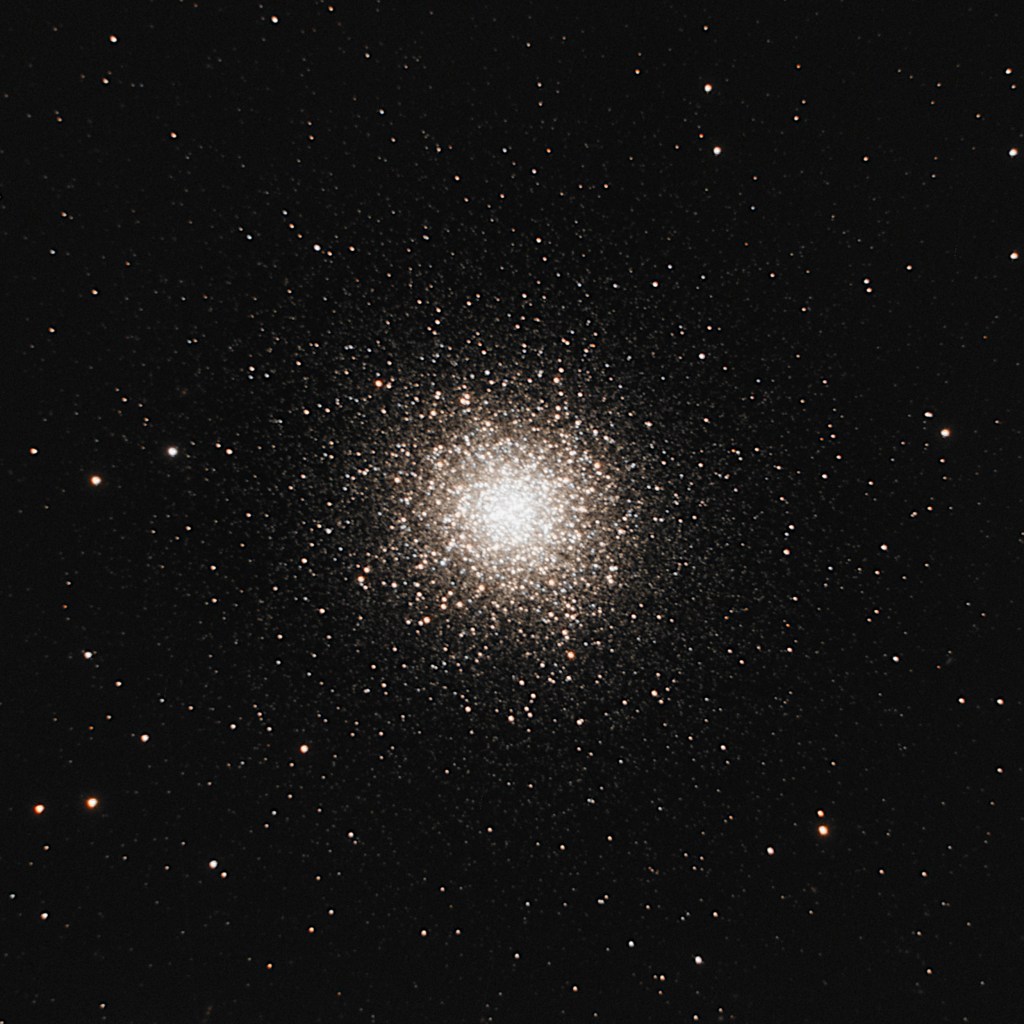
M13 Globular Cluster in Hercules imaged with a Celestron 8 inch SCT at 1140 mm, and an ASI 533MC astronomy camera. I used a restored Vixen Great Polaris mount and an off-axis guider with ASI 174MM guide camera. This target is bright and easy to find with just a finder scope.
M13 Globular Cluster, 3 hours exposure
For a complete list of astrophoto images, click here.
Trifid Nebula M20 imaged with a Celestron 8 inch SCT, an ASI 533MC cooled astronomy camera, dual band H-alpha and O-III filter, with an ASI 174MM on an off-axis guider. The dark dust lanes that divide the nebula into three sections are visible in this photo. This photo was imaged and tracked using a restored Vixen Great Polaris mount.
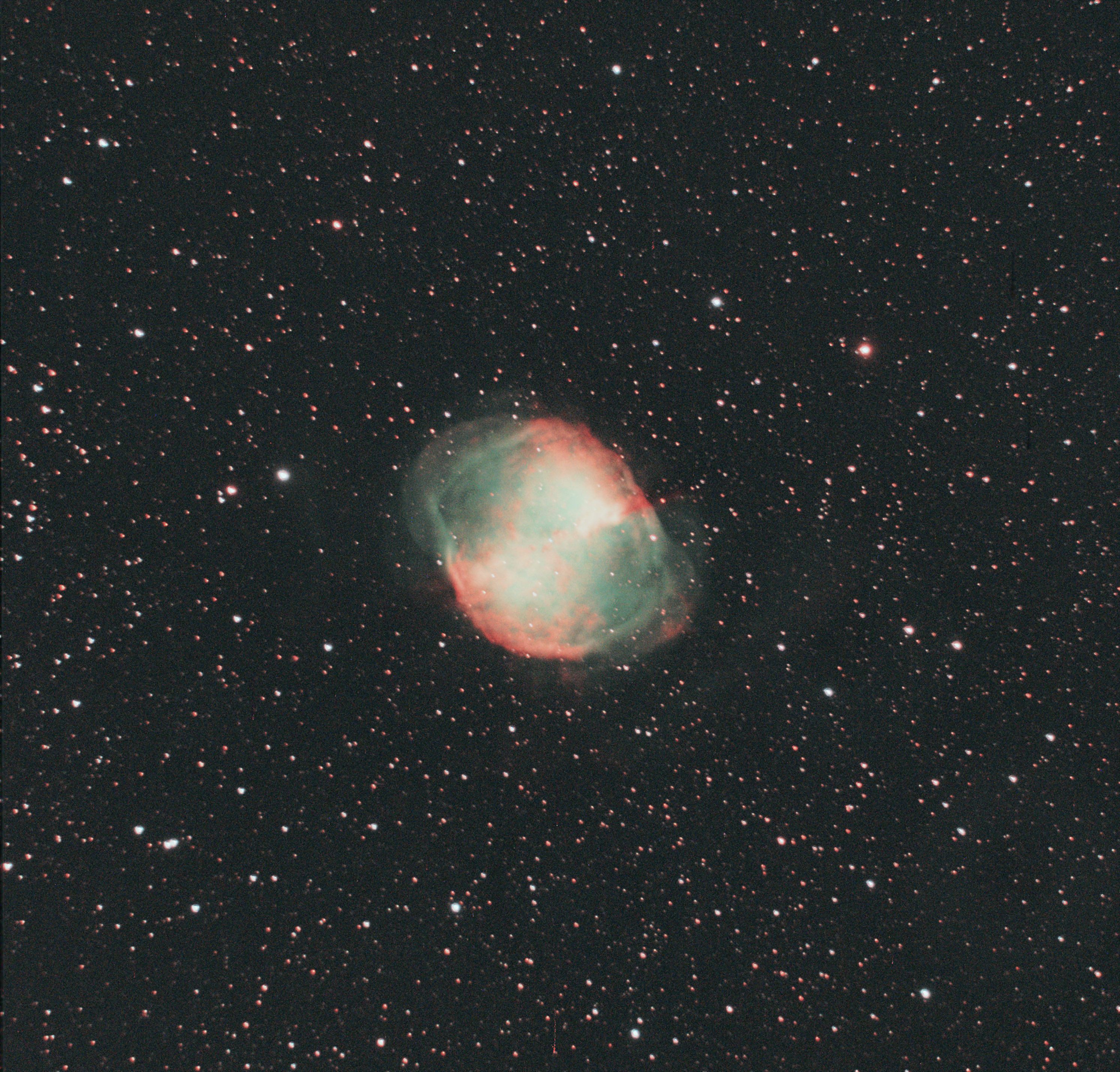
Dumbbell Nebula M27 imaged with a Celestron 8 inch SCT at 1140 mm focal length, OIII and H-alpha dual band filter, and an ASI 533MC astronomy camera. I used a restored Vixen Great Polaris mount and an off-axis guider with ASI 174MM guide camera. To find M27, use the bright stars of Aquila and Cygnus as pointer stars. This target is bright, easy to find, and should be visible even with small telescopes.
Dumbbell Nebula, 1 hour exposure
For a complete list of astrophoto images, click here.


 Night Sky in Focus